GUL-O-GULZAR
An Exhibition of Pakistani Landscape Paintings
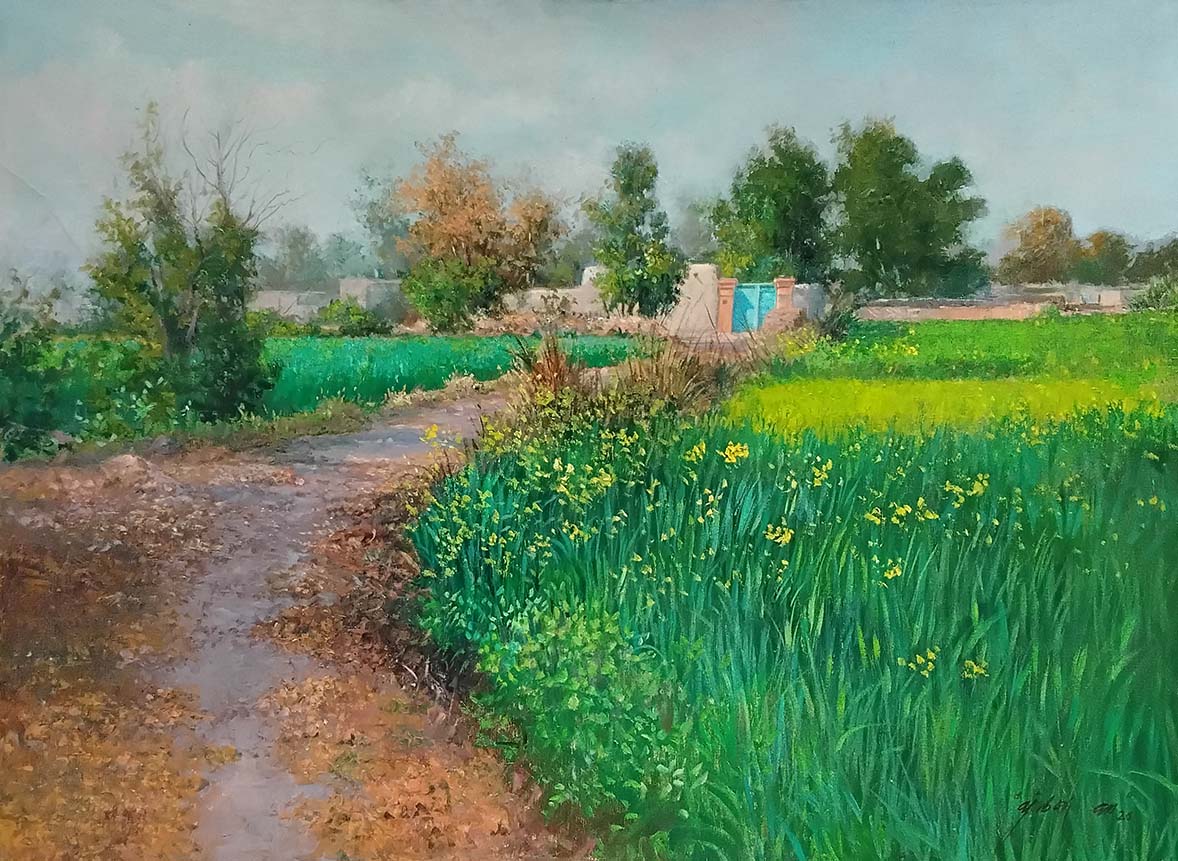
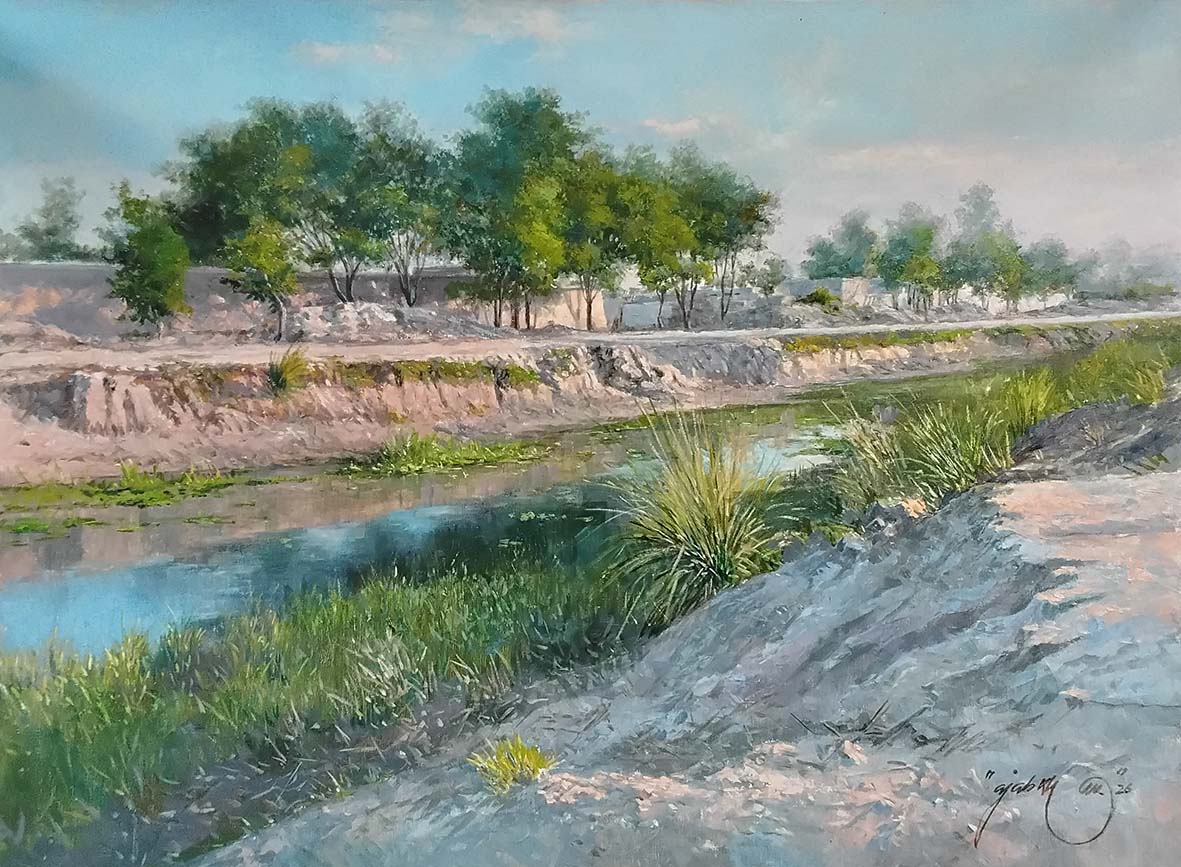
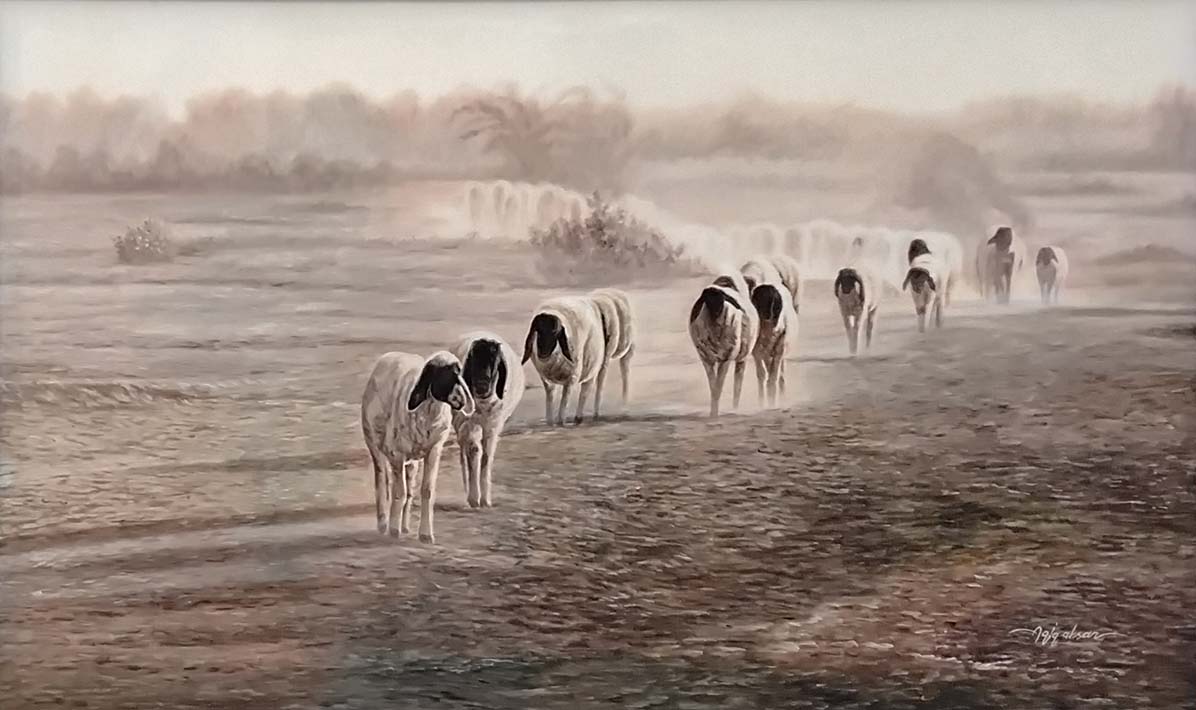
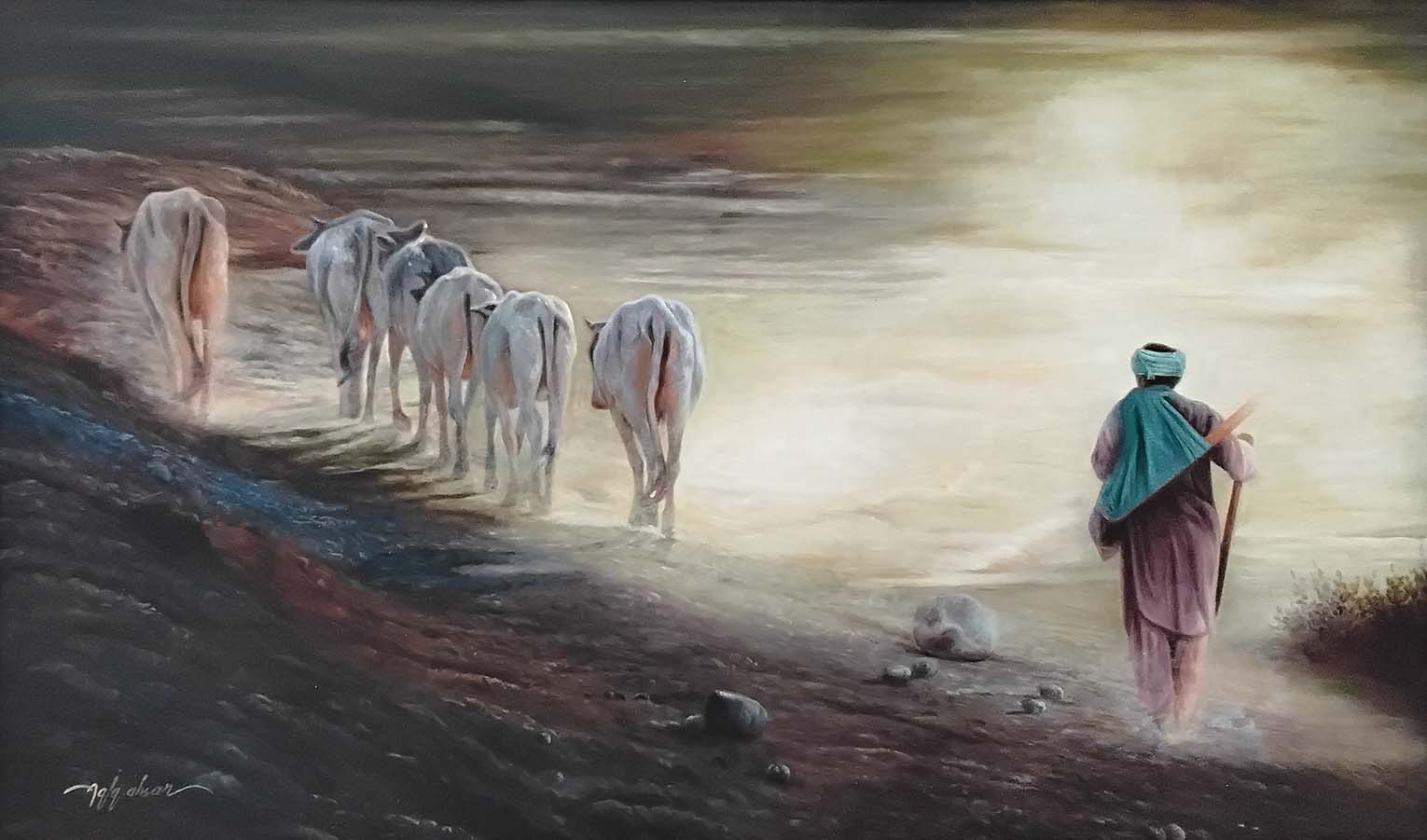
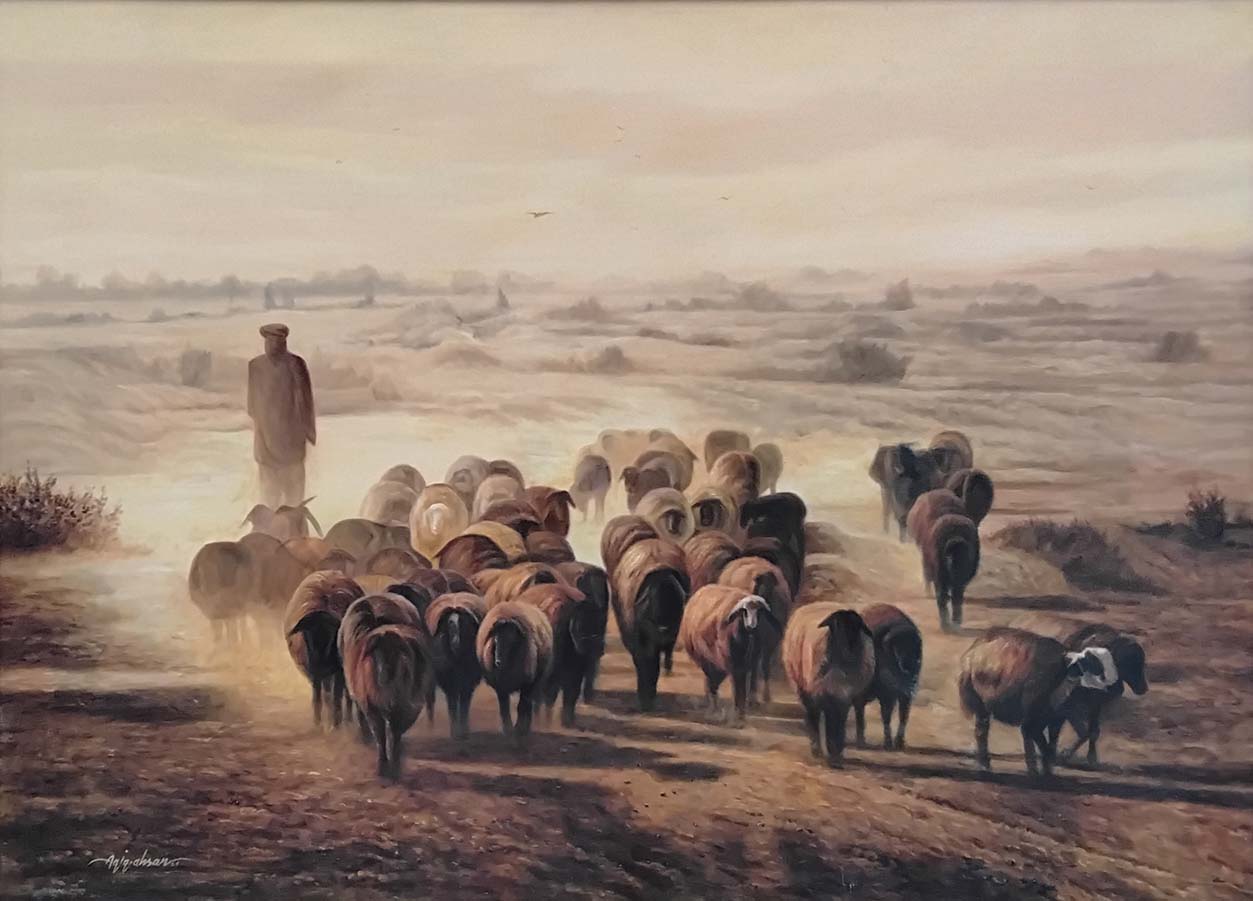
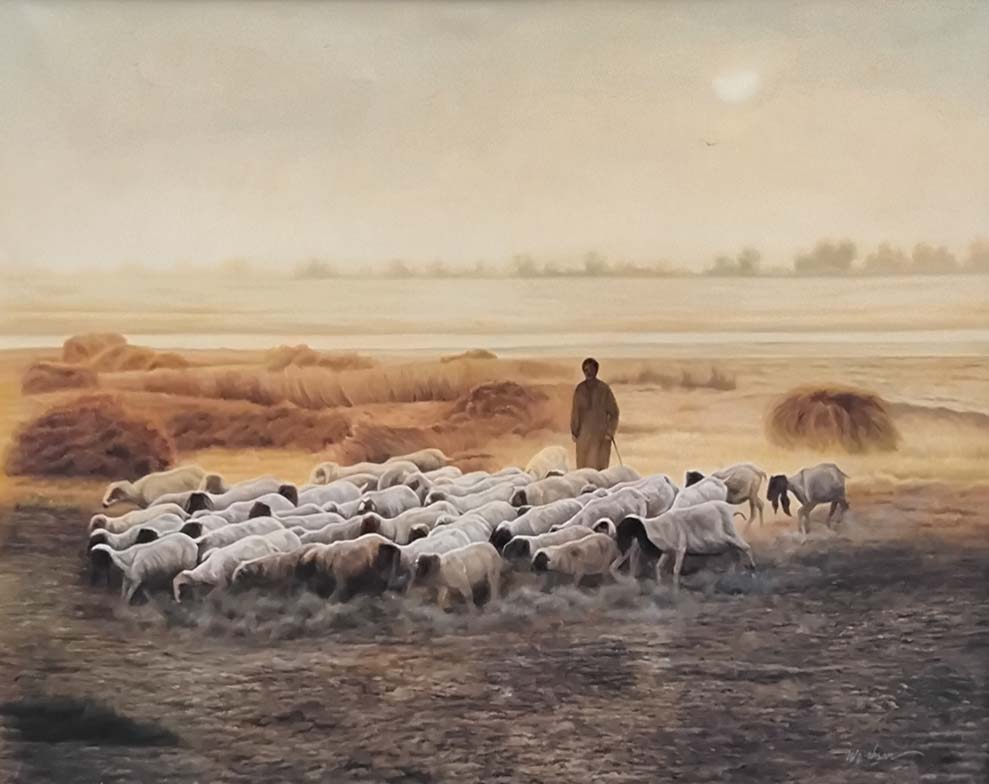
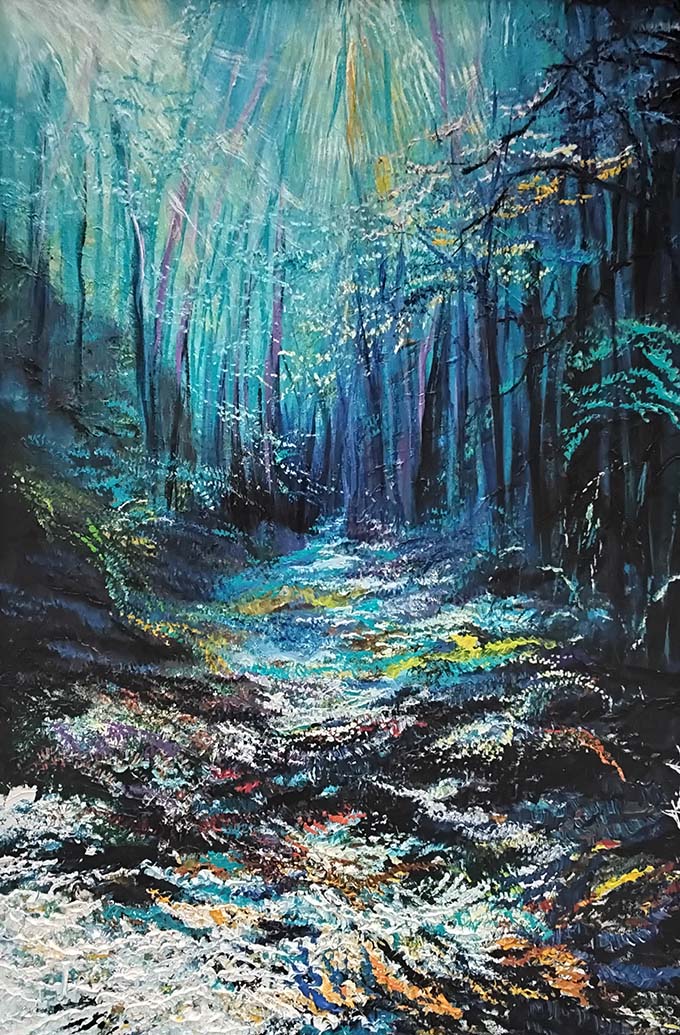
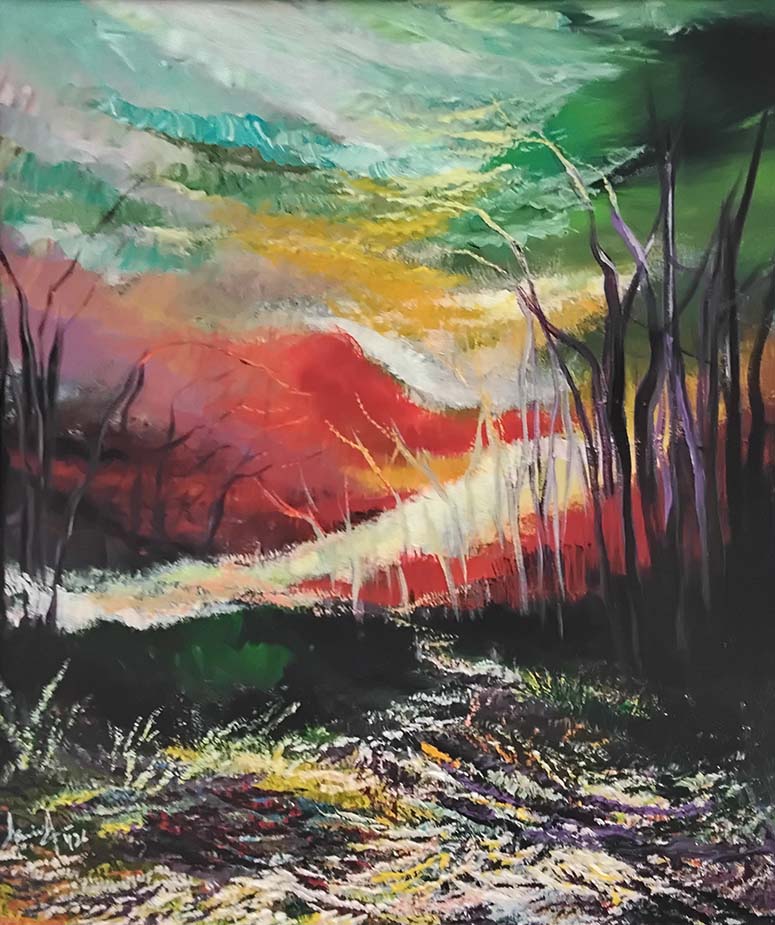
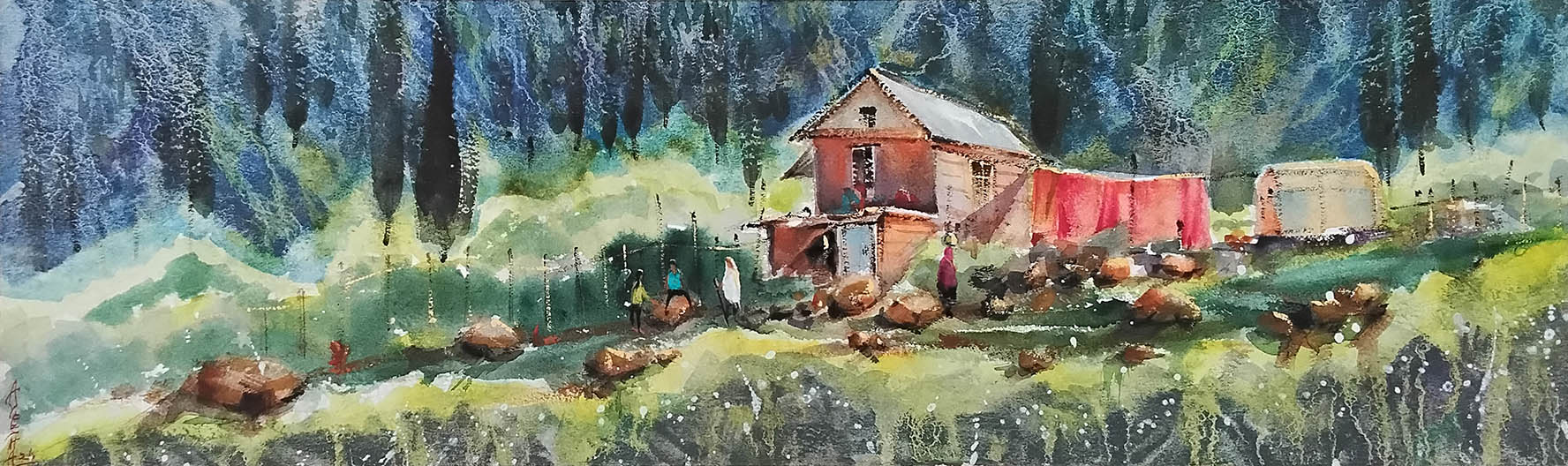
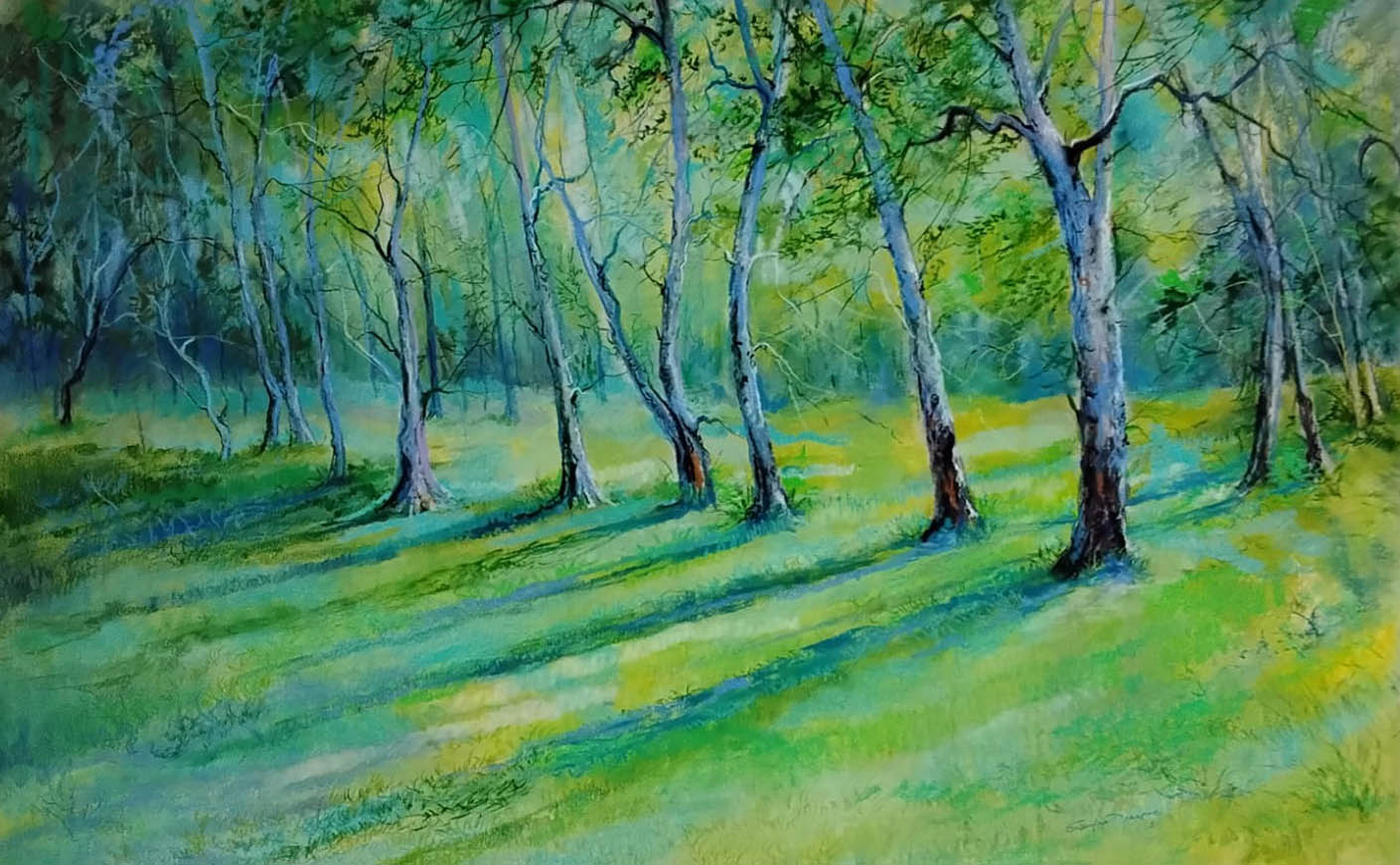
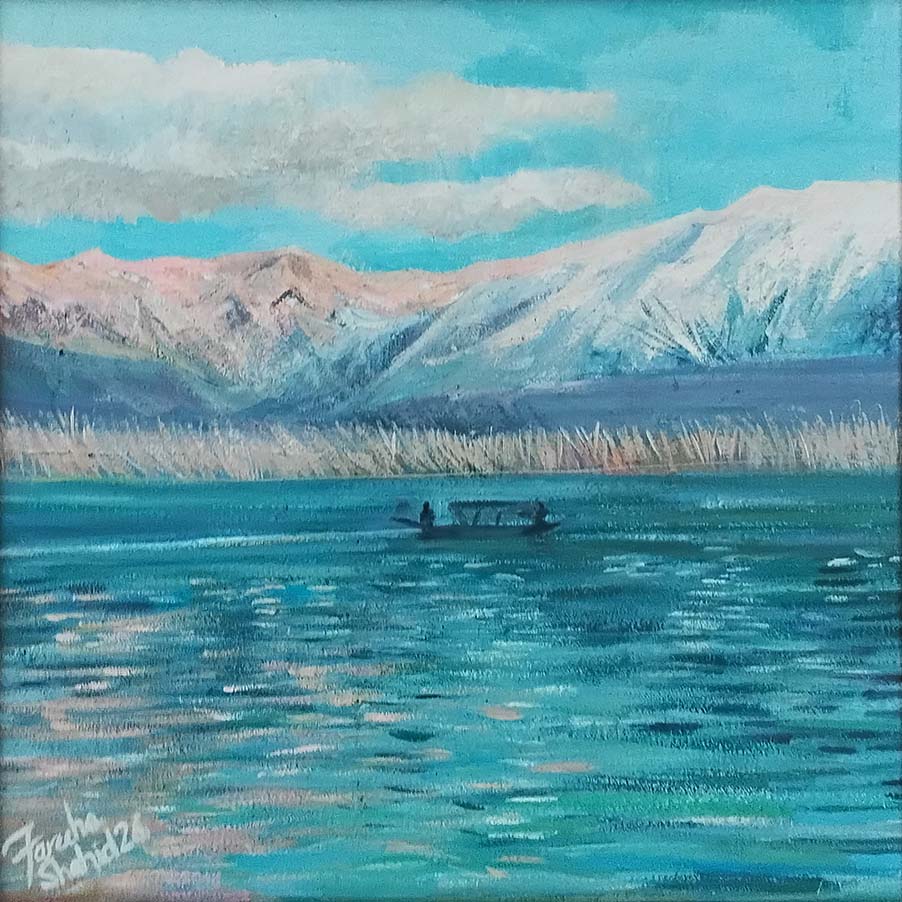
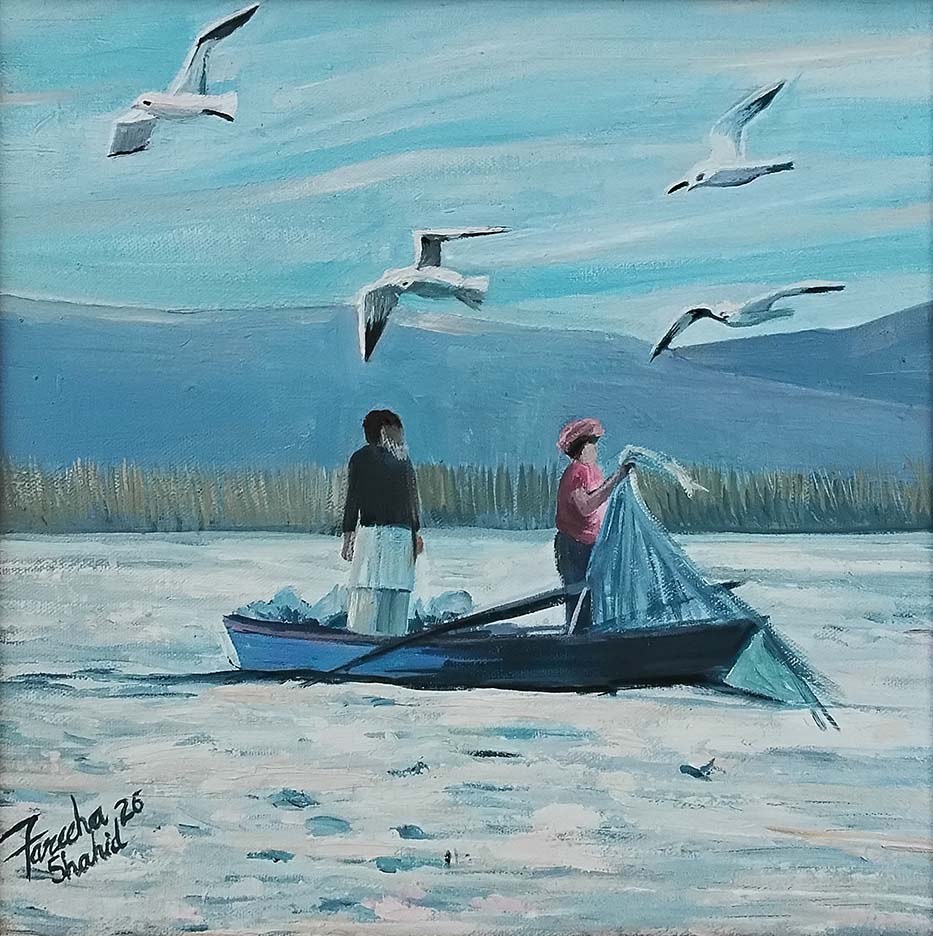
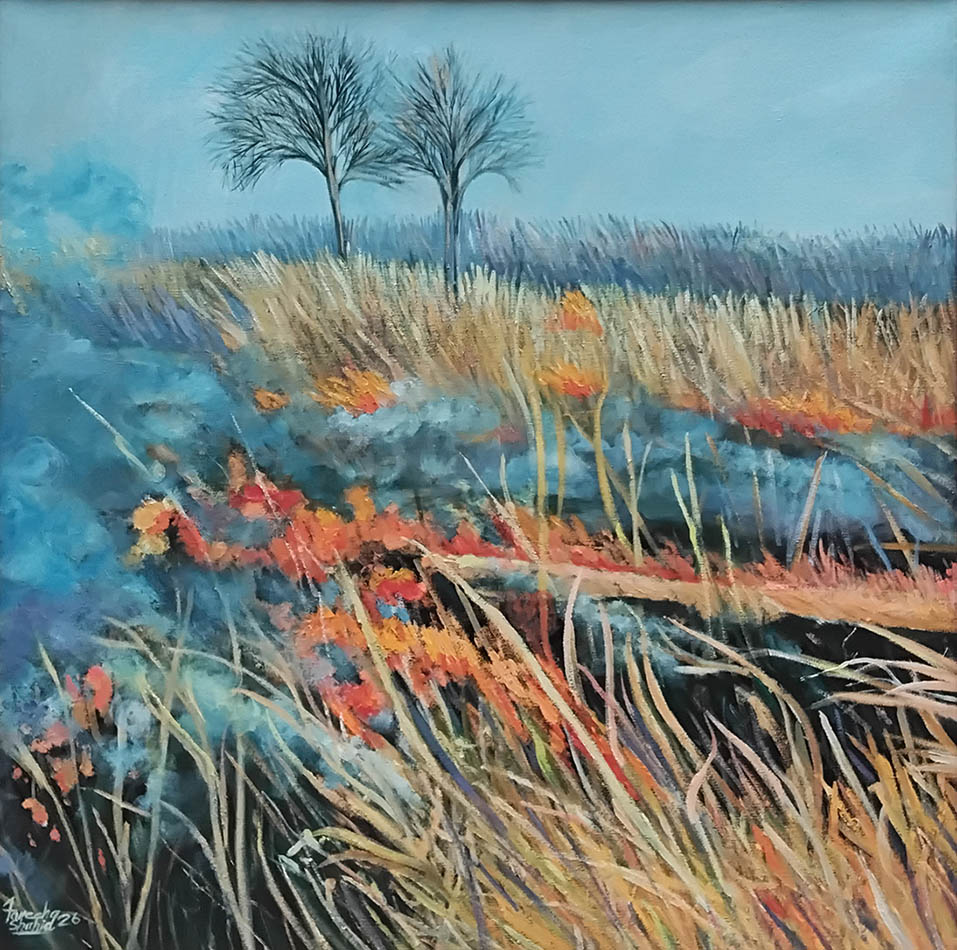
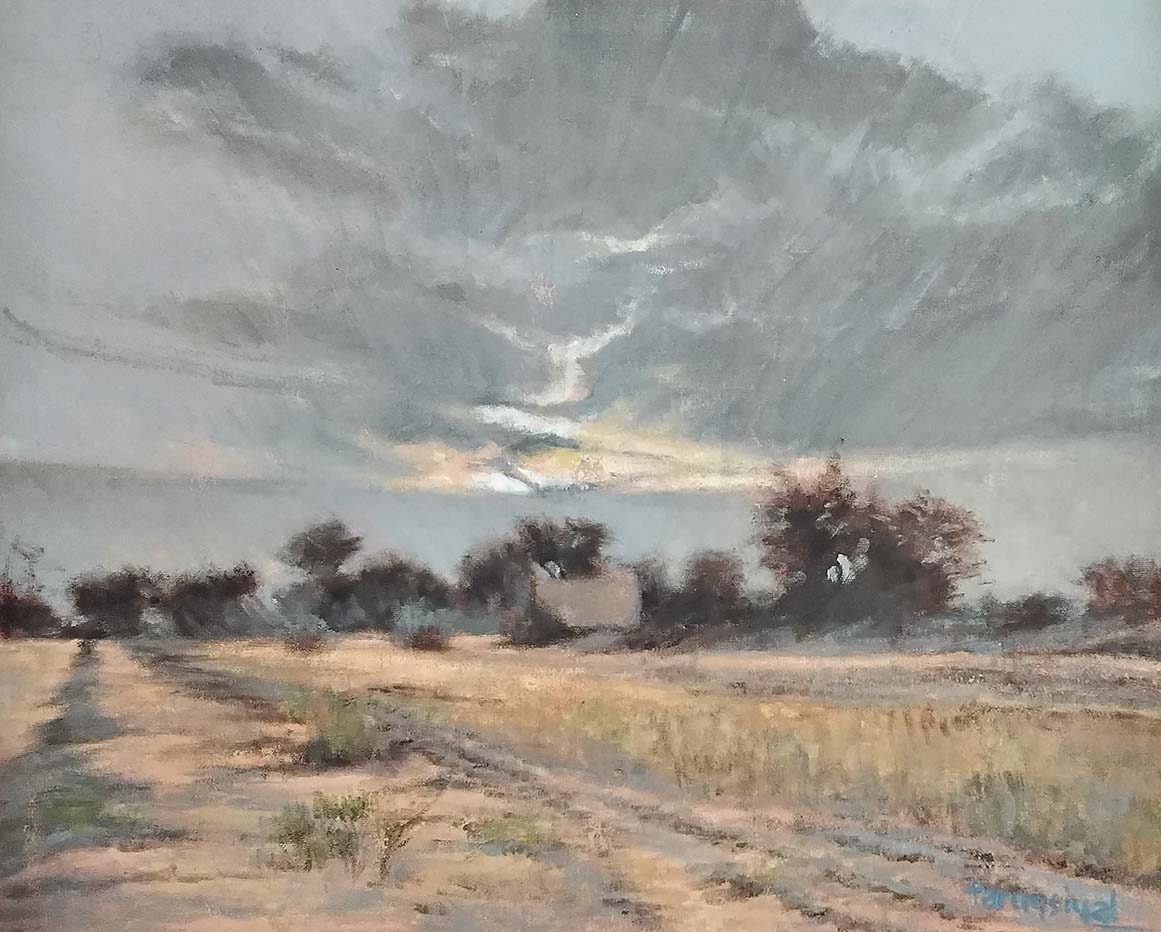
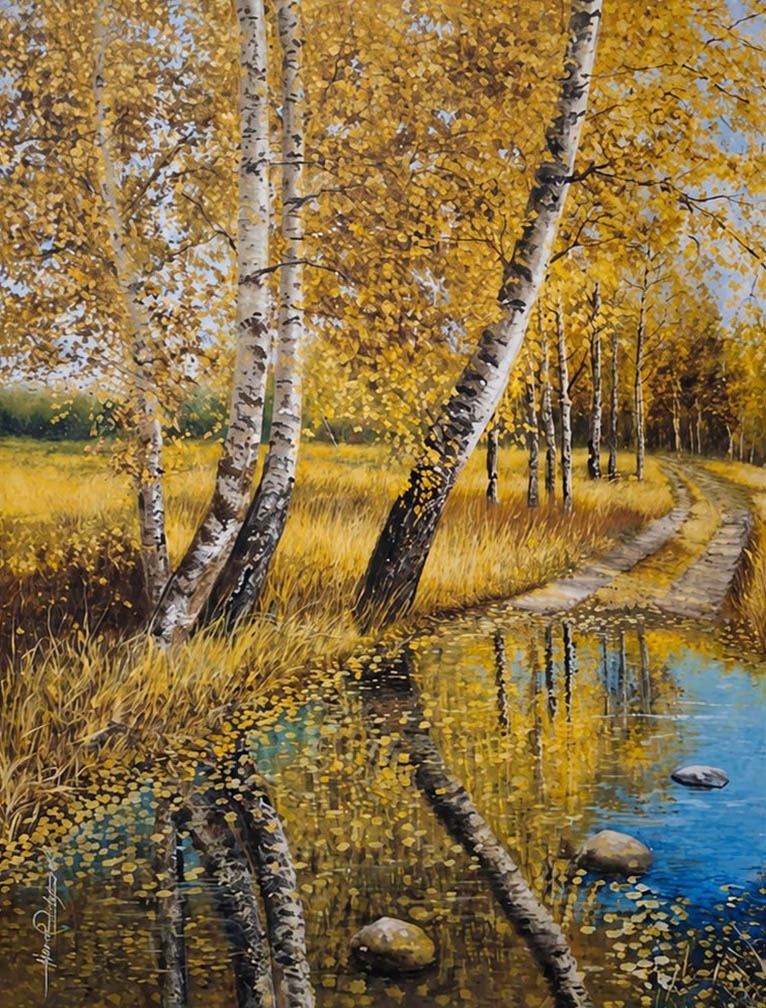
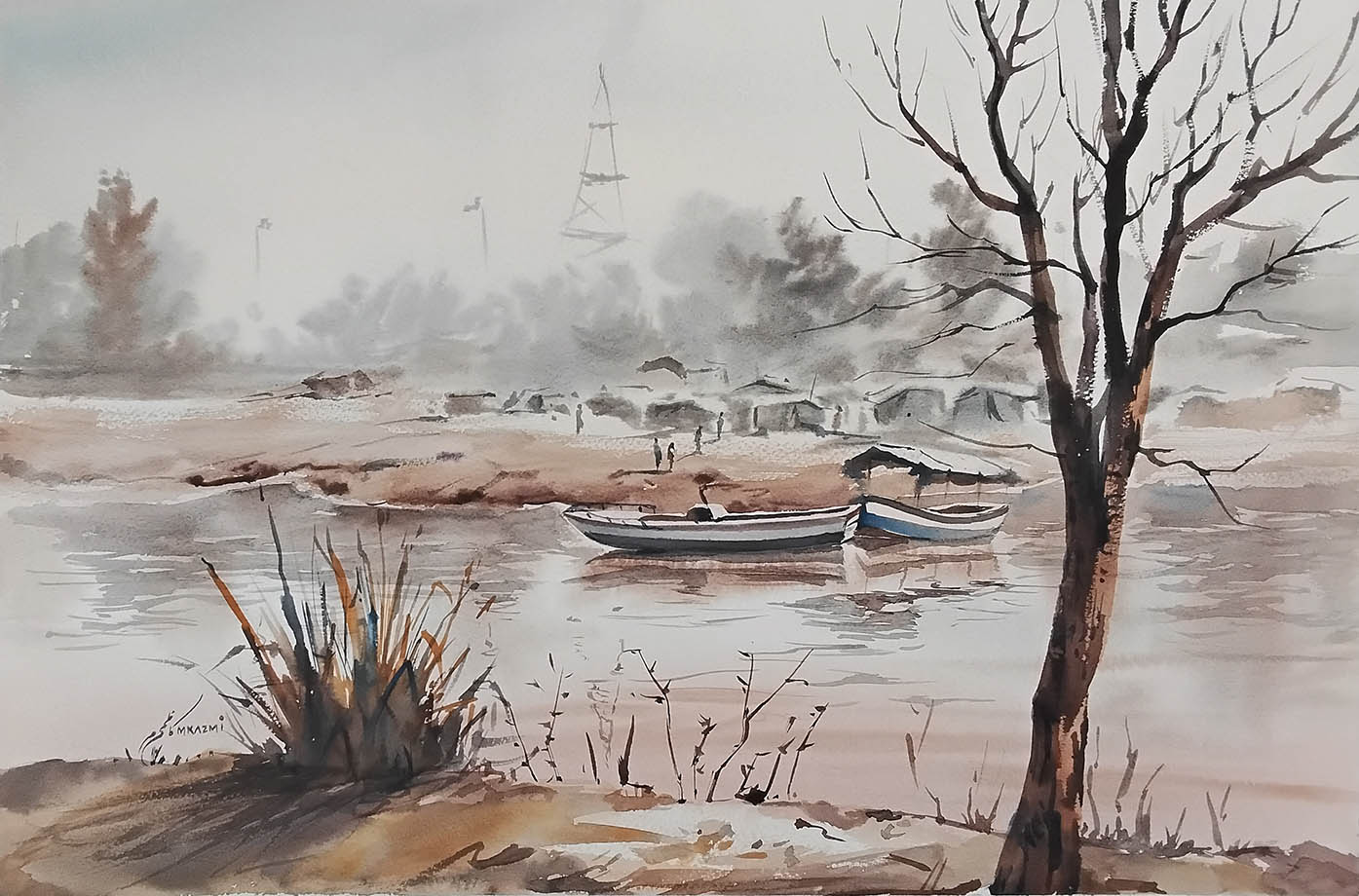
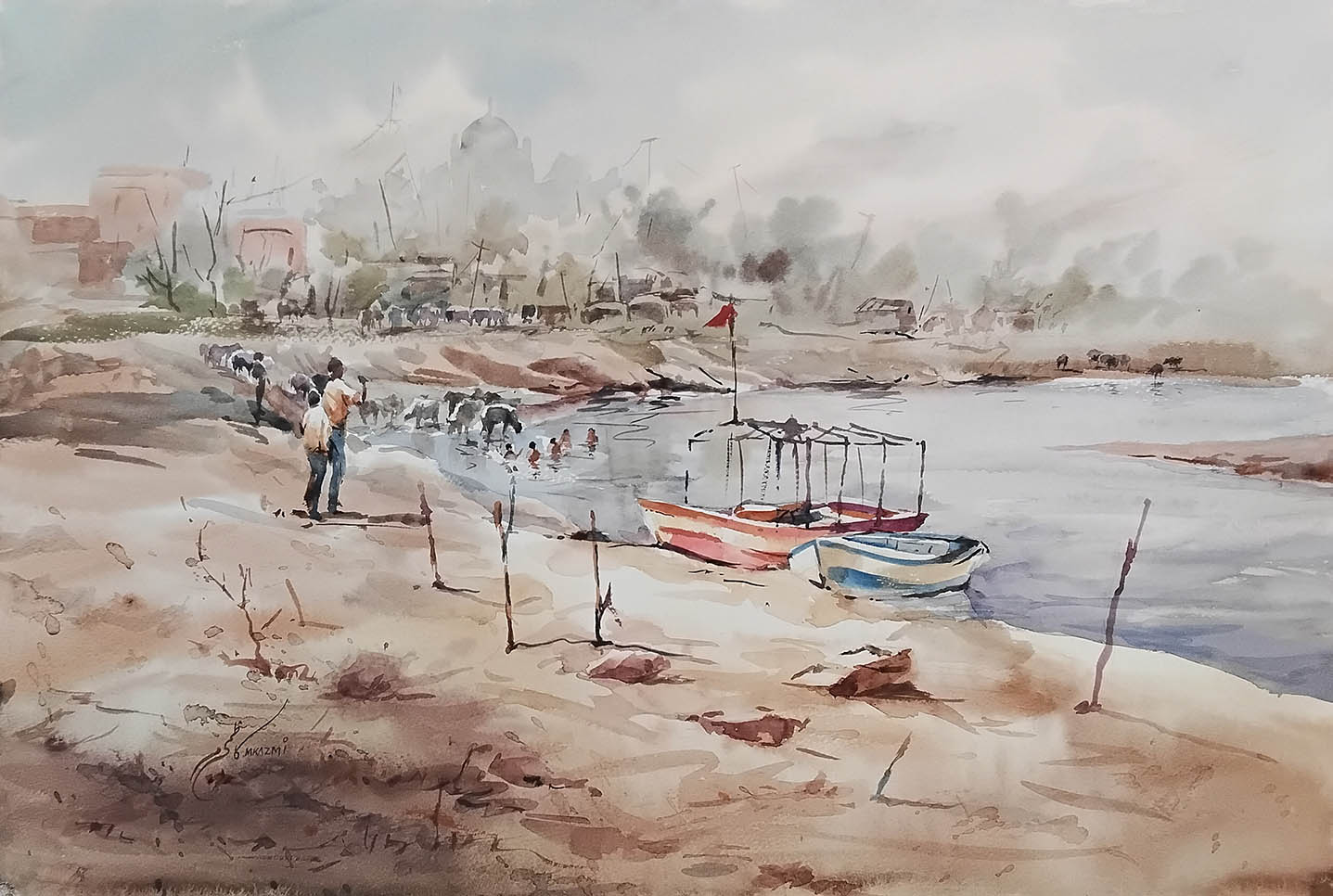
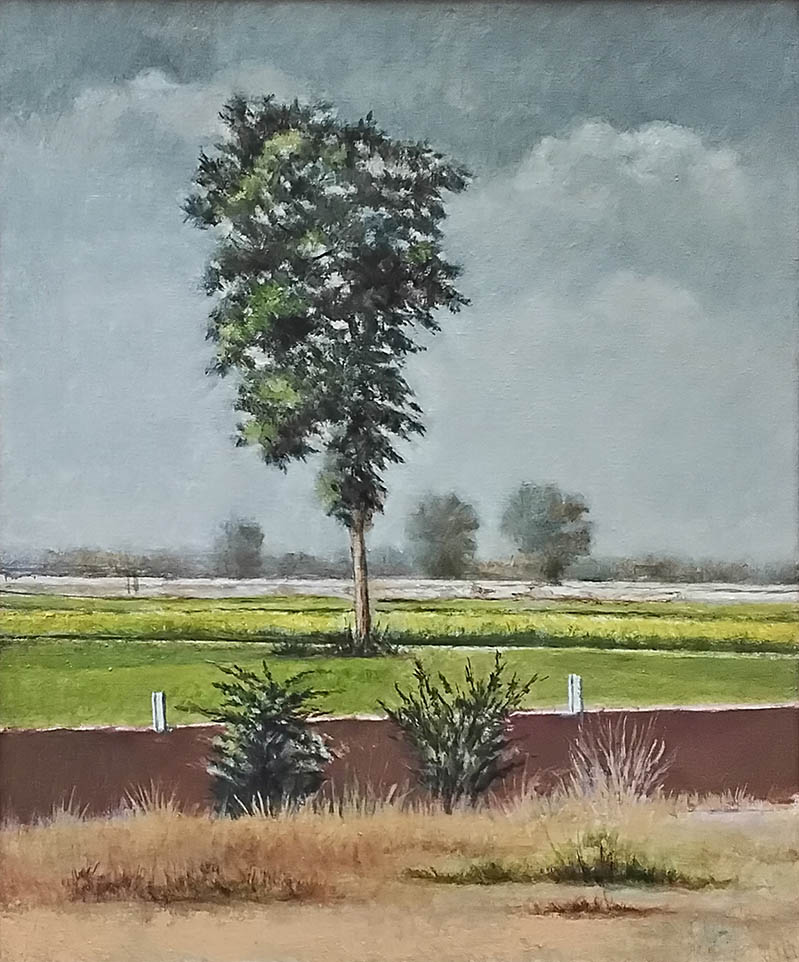
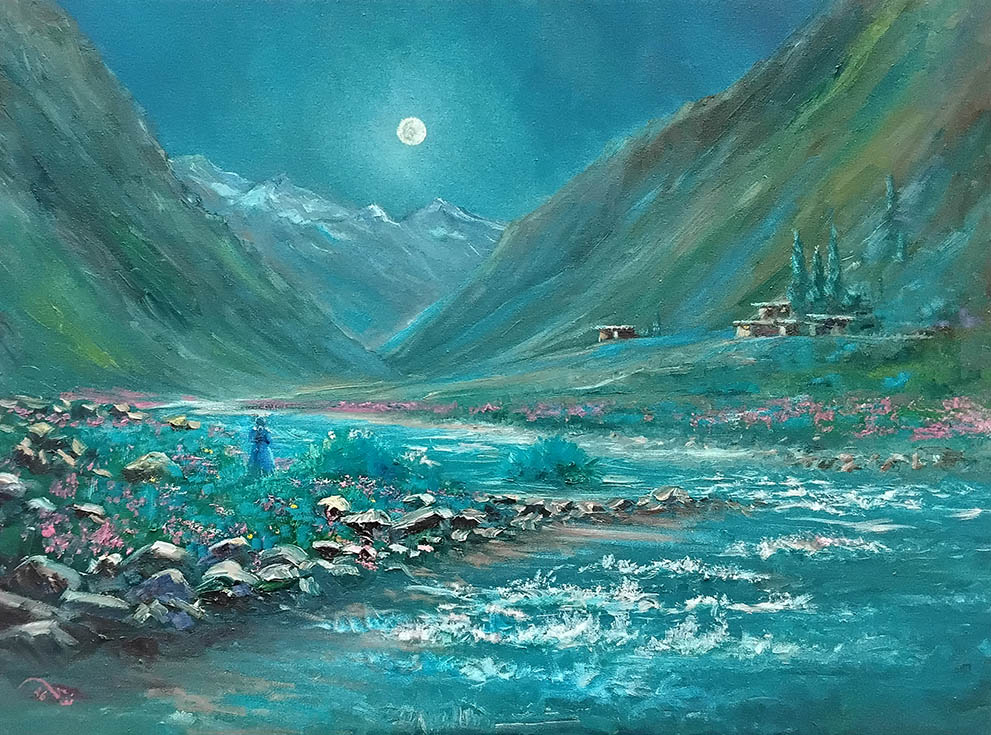
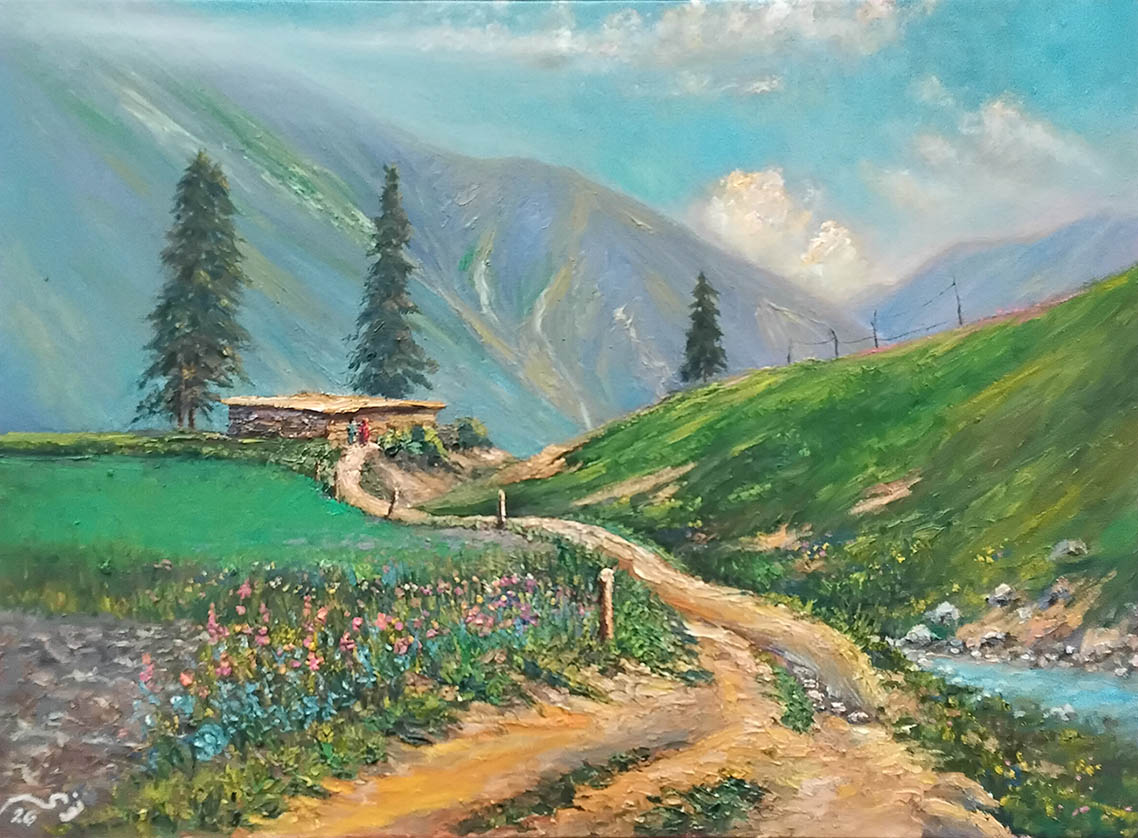
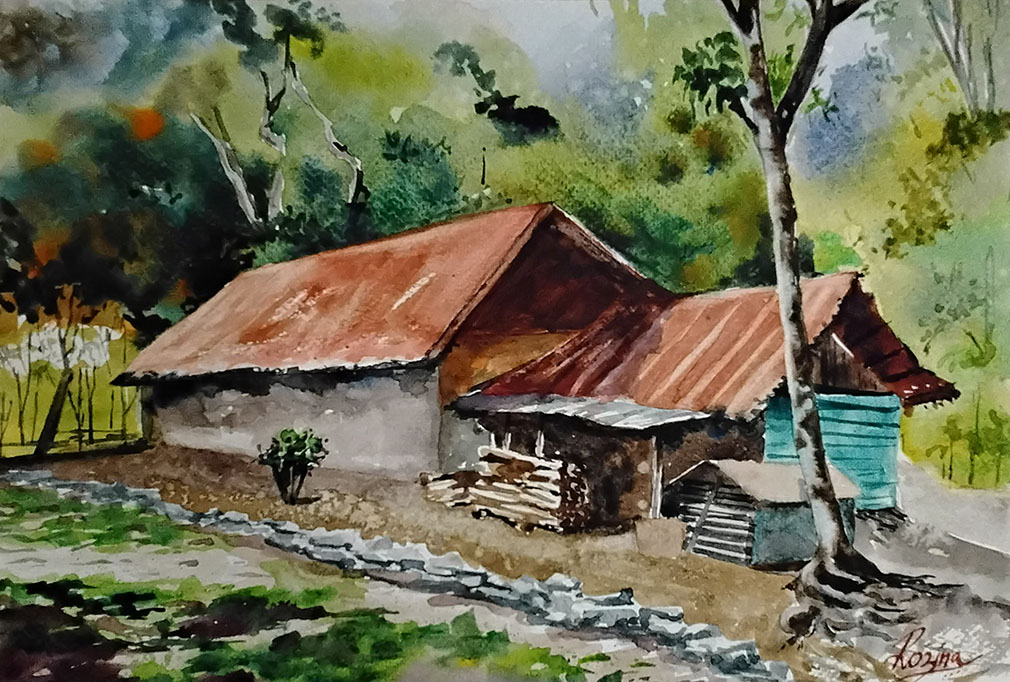
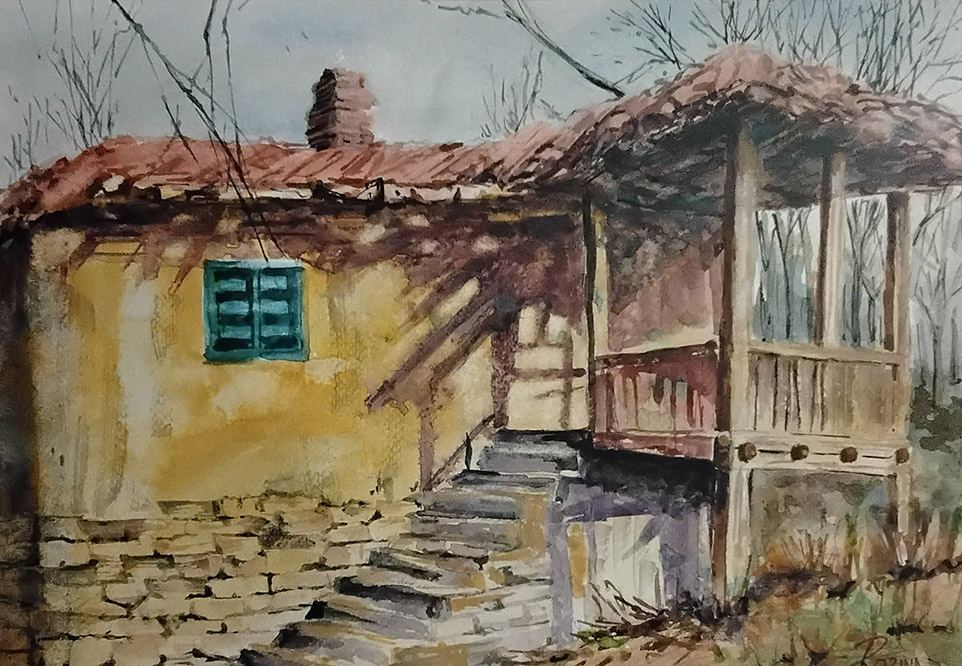
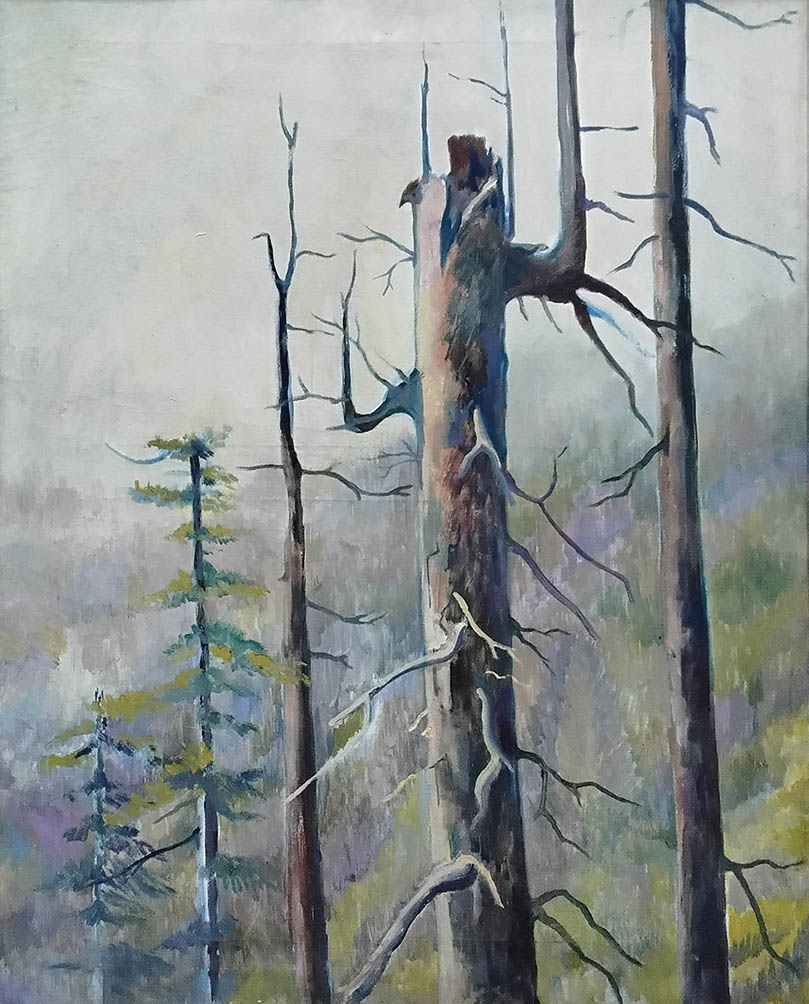
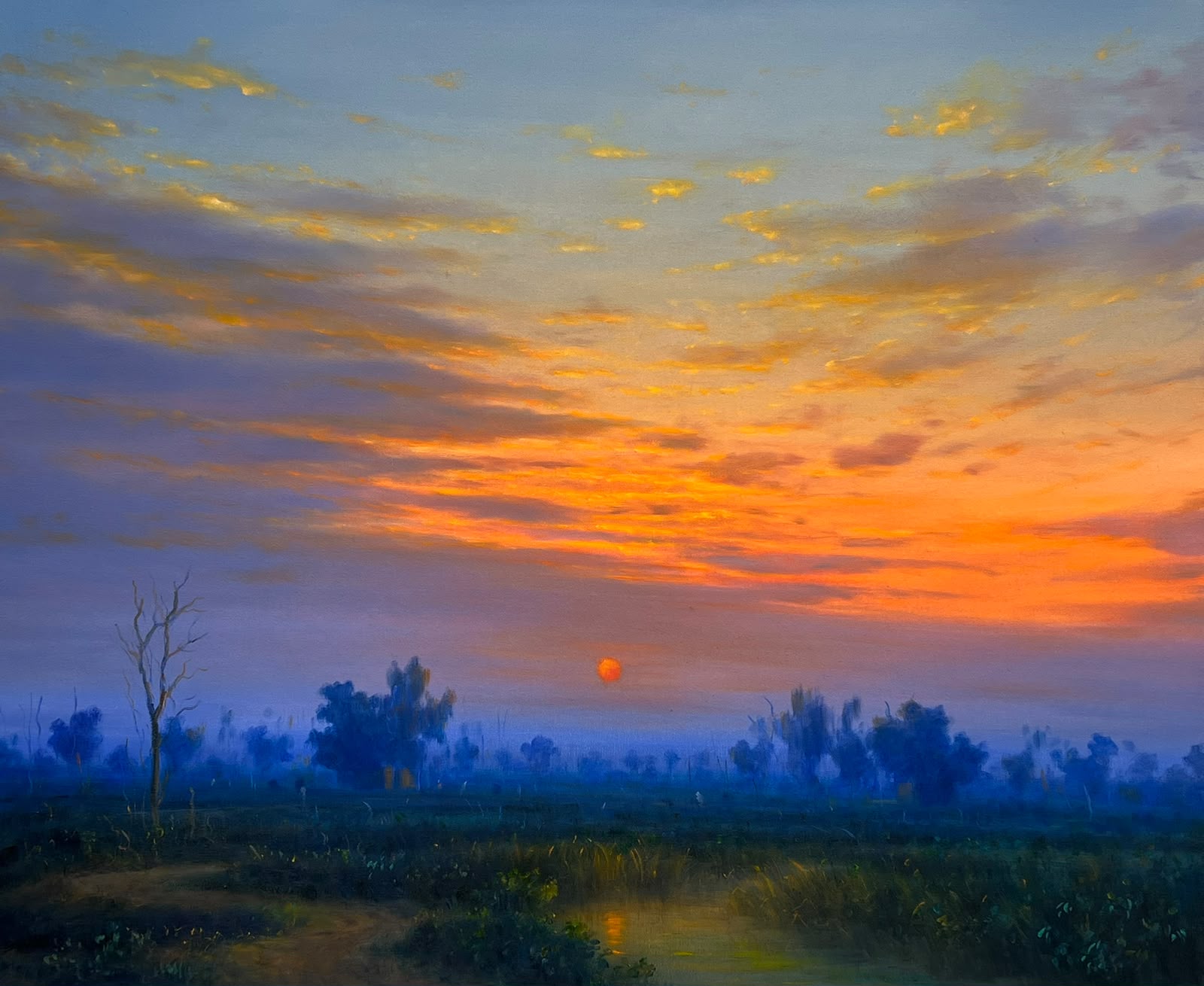
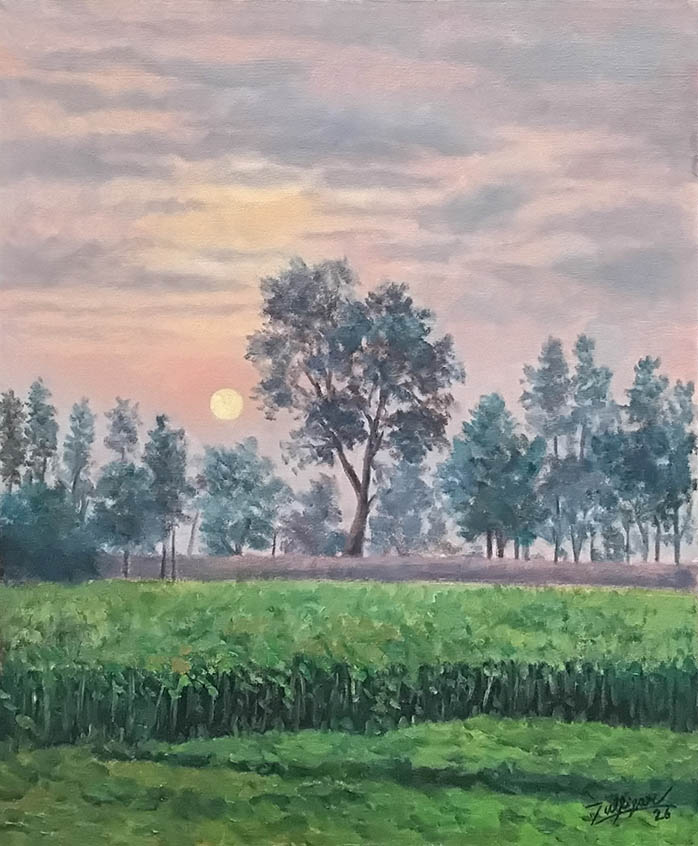
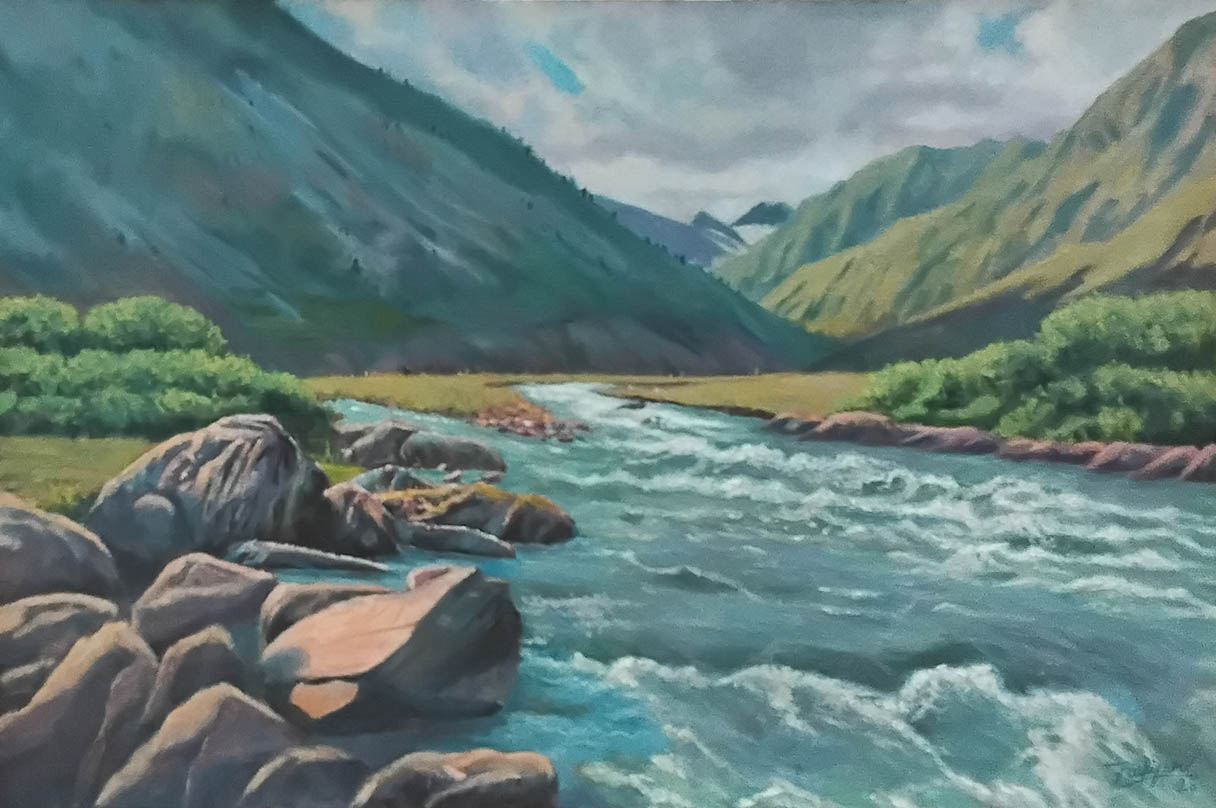
Landscape painting is one of the most enduring and celebrated genres of visual art, capturing the beauty of the natural world and the environments that surround us. From lush green fields and flowing rivers to majestic trees, blooming flowers, and tranquil gardens, landscapes offer artists an endless source of inspiration. Over the years, this genre has flourished in Pakistan, becoming an important part of the country's artistic heritage and attracting the interest of artists, critics, and collectors alike.
The evolution of Pakistani landscape painting is deeply connected to the country's geographical beauty, cultural traditions, and changing artistic approaches. In the early years following independence, pioneering artist Ustad Allah Bakhsh portrayed the agrarian life and picturesque countryside of Punjab through European-style realism, infused with the romantic sensibilities of South Asian culture. Another major influence was Khalid Iqbal, widely regarded as one of Pakistan's most significant landscape painters. His approach combined elements of Renaissance composition with Cézanne's distinctive understanding of colour and structure. His artistic legacy continued through students and later generations, including Zulqarnain Haider, Ghulam Mustafa, Mian Ijaz-ul-Hassan, and Ghulam Rasul, who developed their own interpretations of the local landscape through modern realism. Subsequently, Shahid Jalal expanded the subject matter of landscape painting by exploring gardens, parks, and changing natural environments.
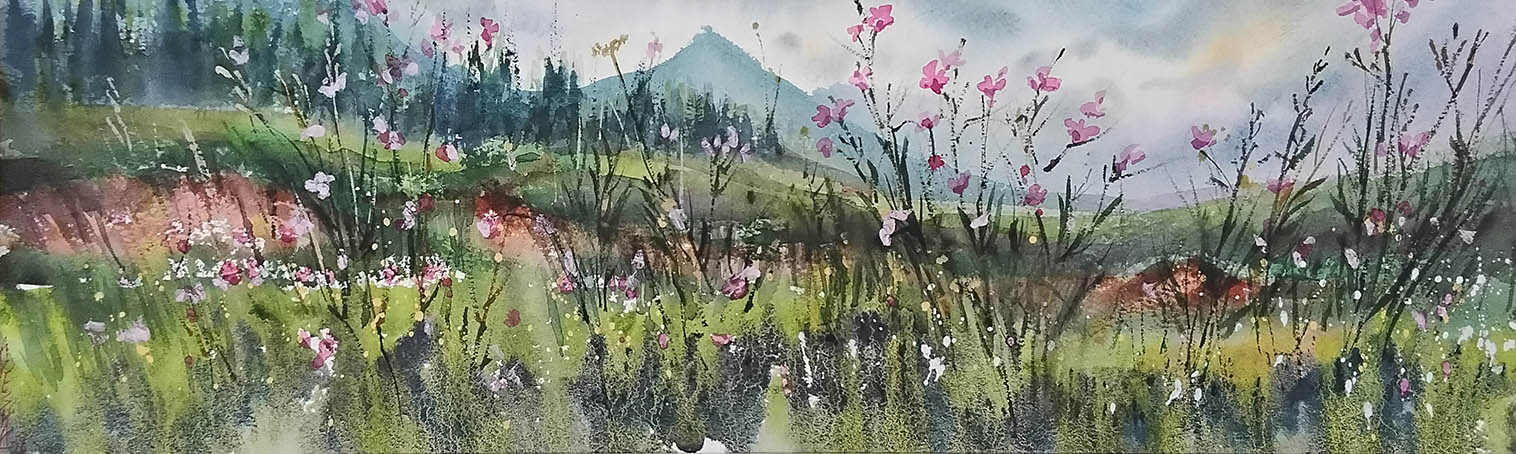
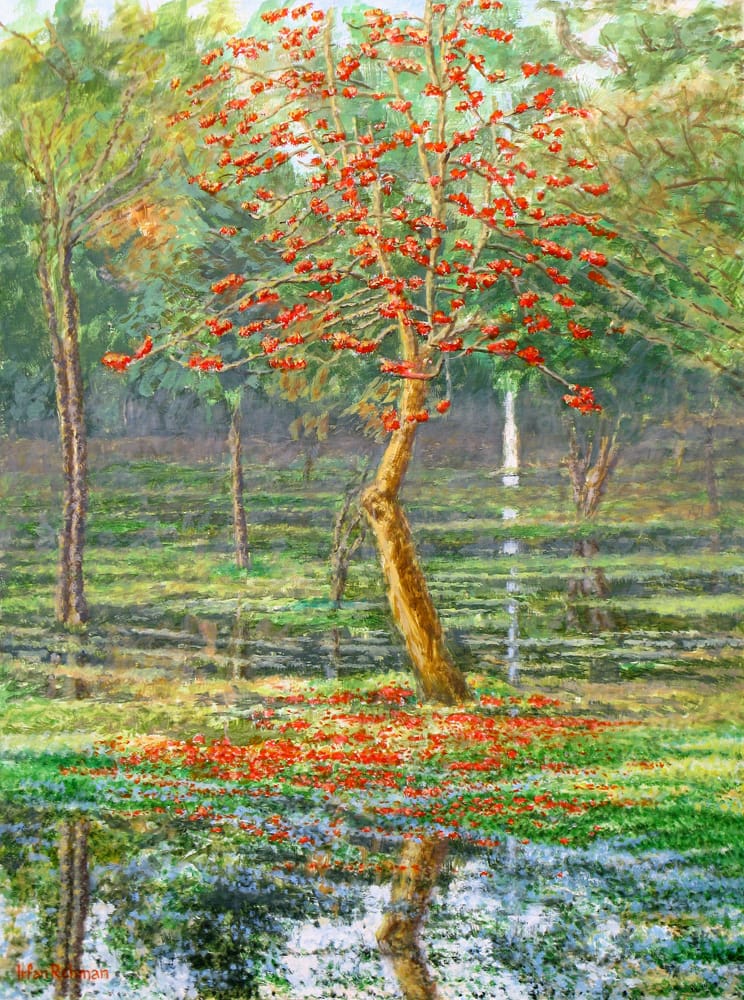
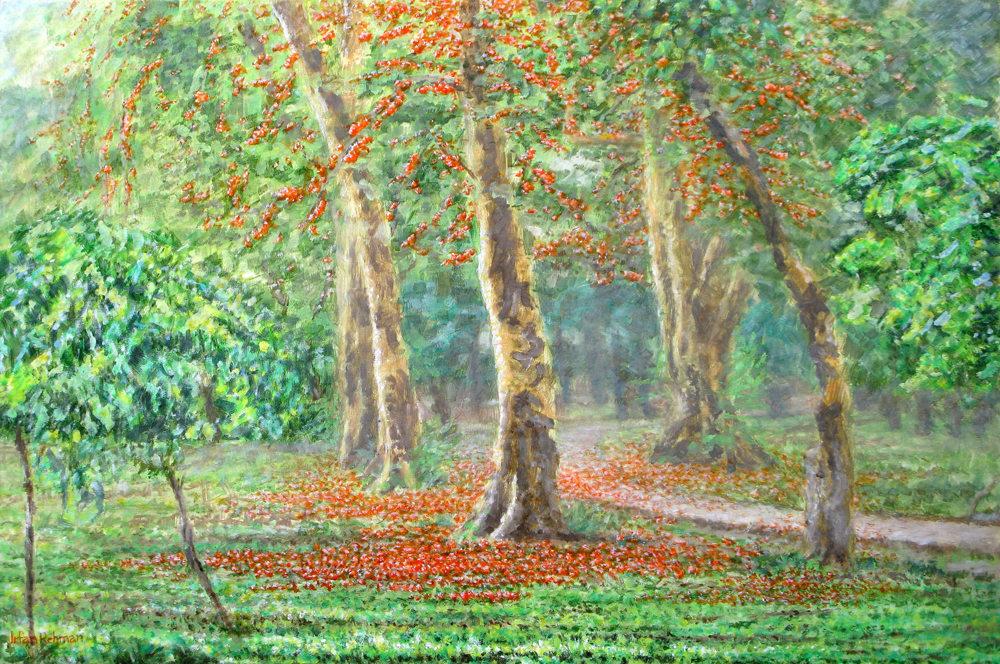
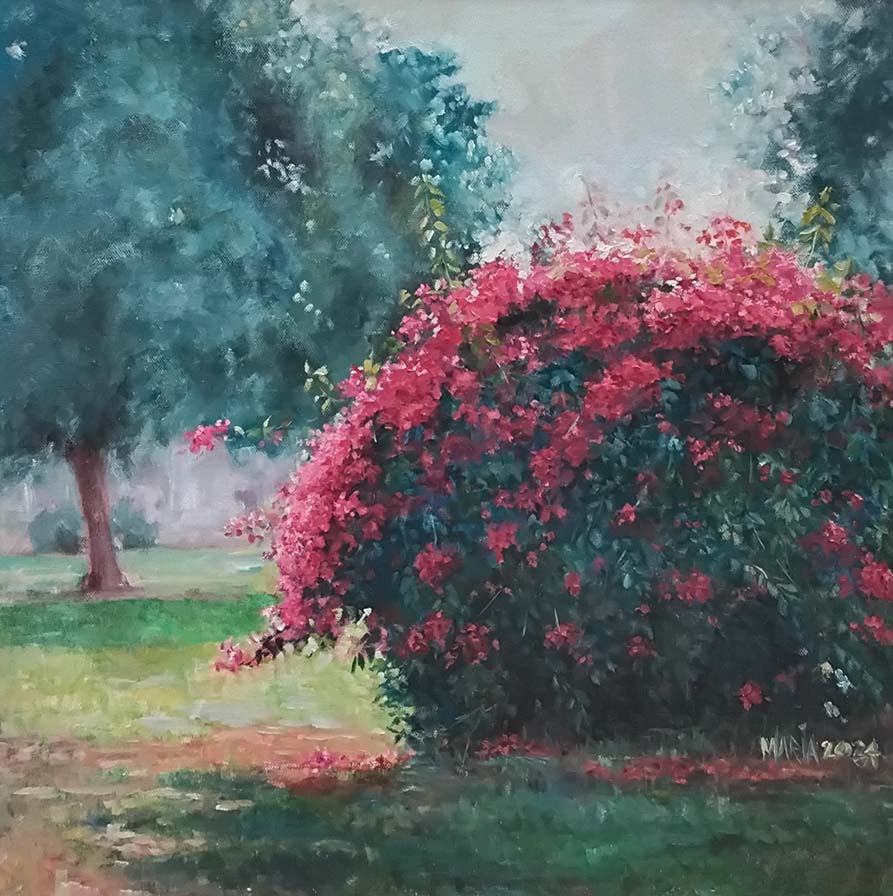
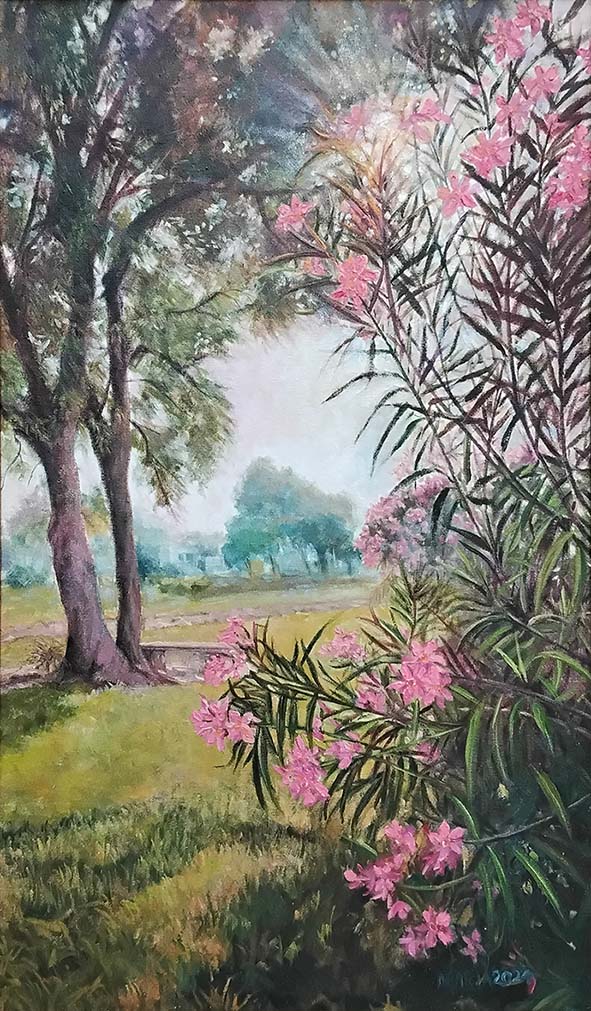
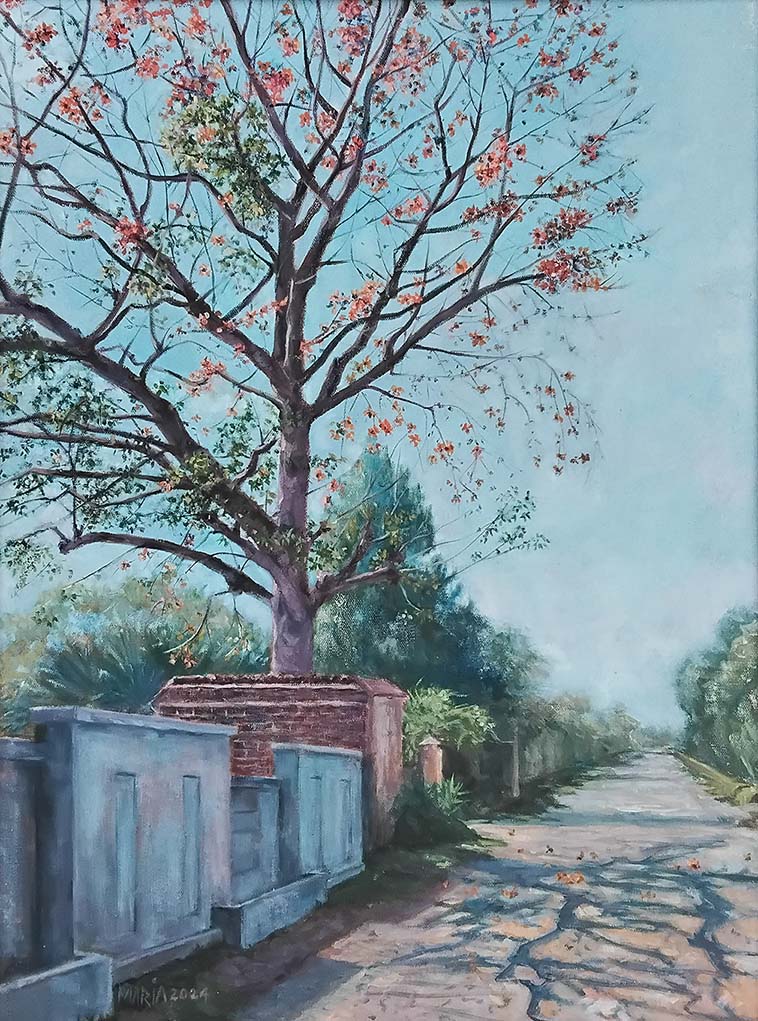
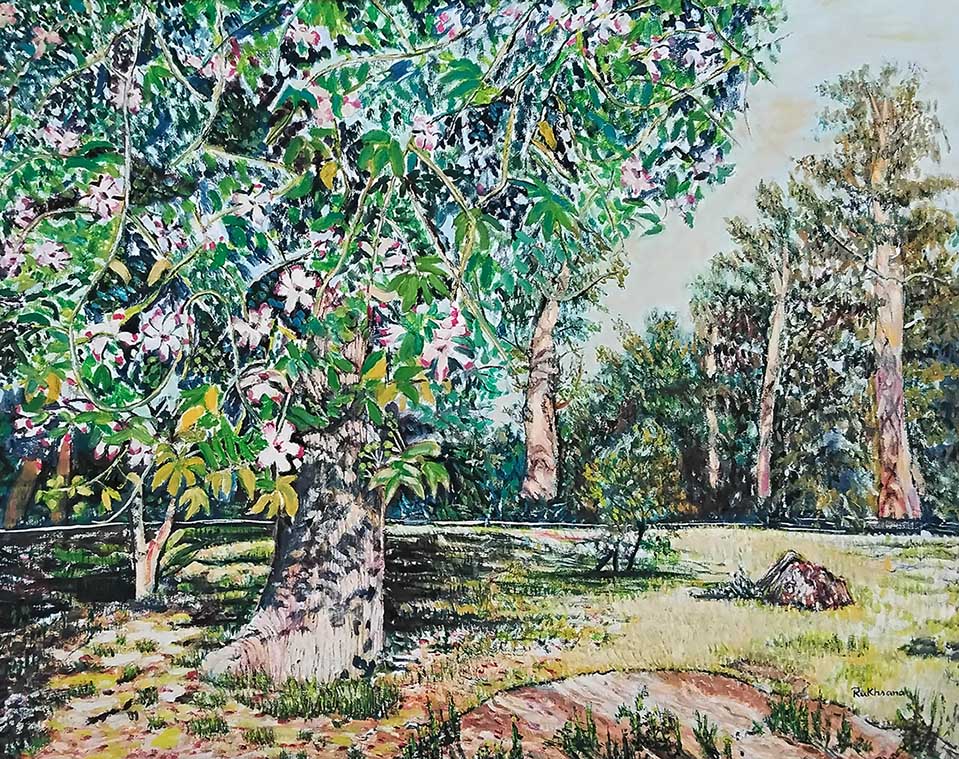
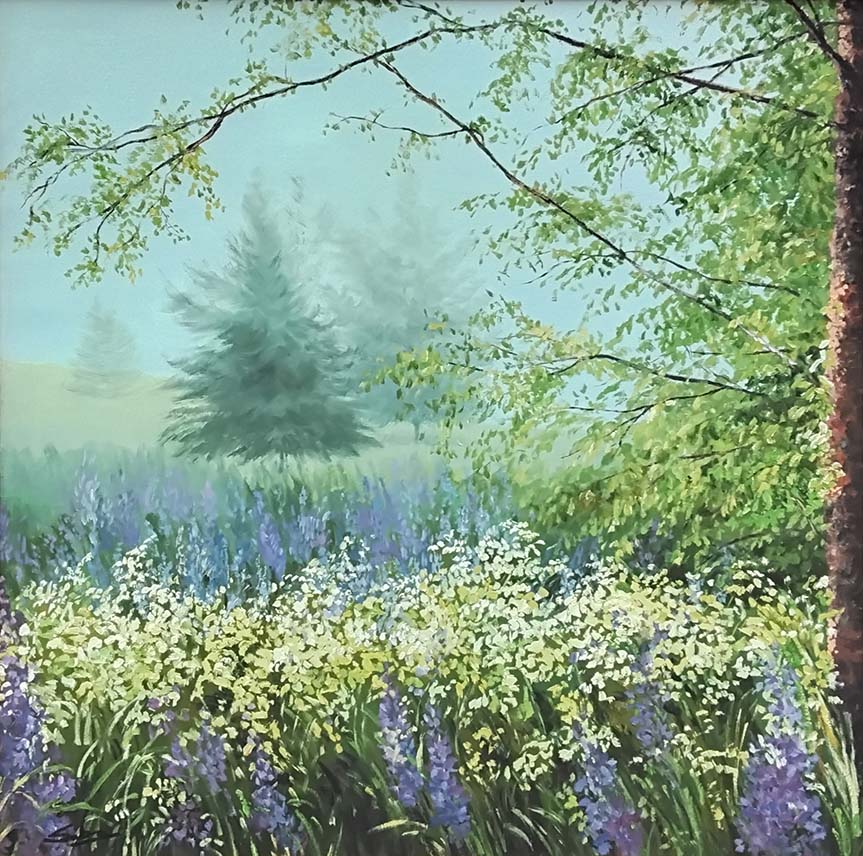
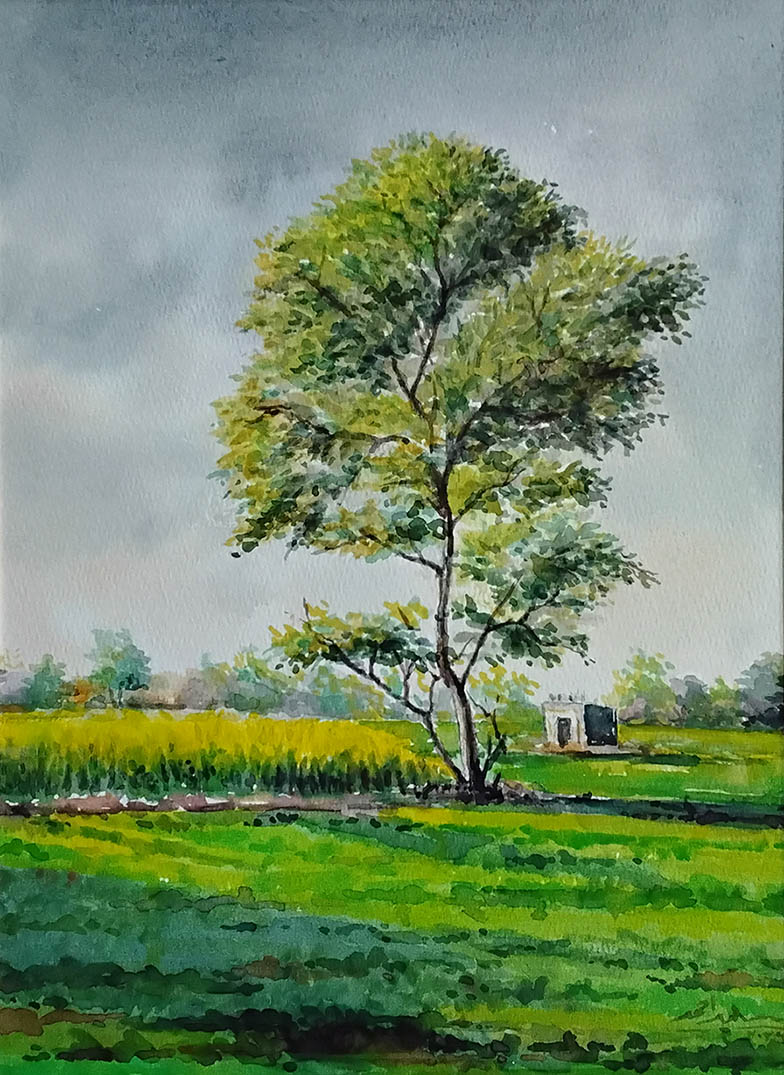
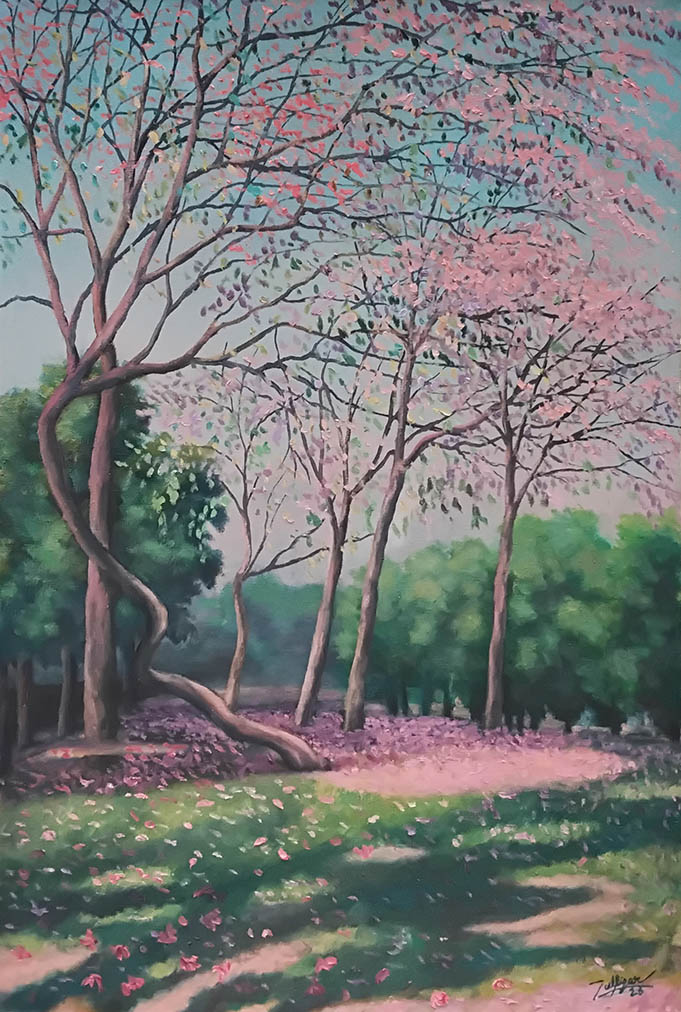
Within this rich artistic tradition, spring (Bahar) holds a special place in the imagination of landscape painters. After the prolonged heat of summer in Punjab, spring arrives as a season of renewal, freshness, and rejuvenation. Flourishing leaves, blossoming flowers, gentle sunshine, refreshing breezes, and the vibrant colours of nature transform the landscape into an inspiring spectacle. The pleasant weather also provides artists with an opportunity to work outdoors, observe nature closely, and capture its changing moods and colours.
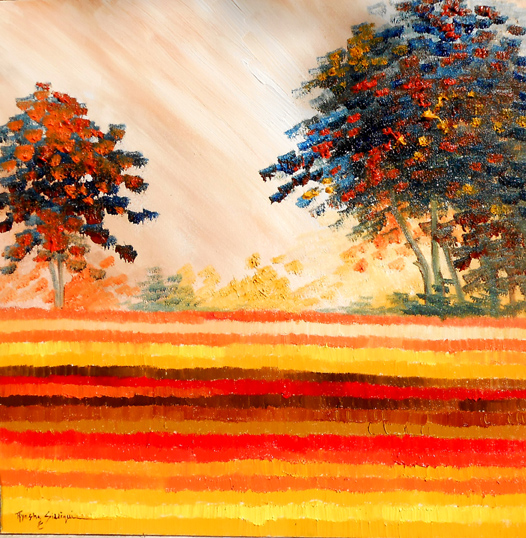
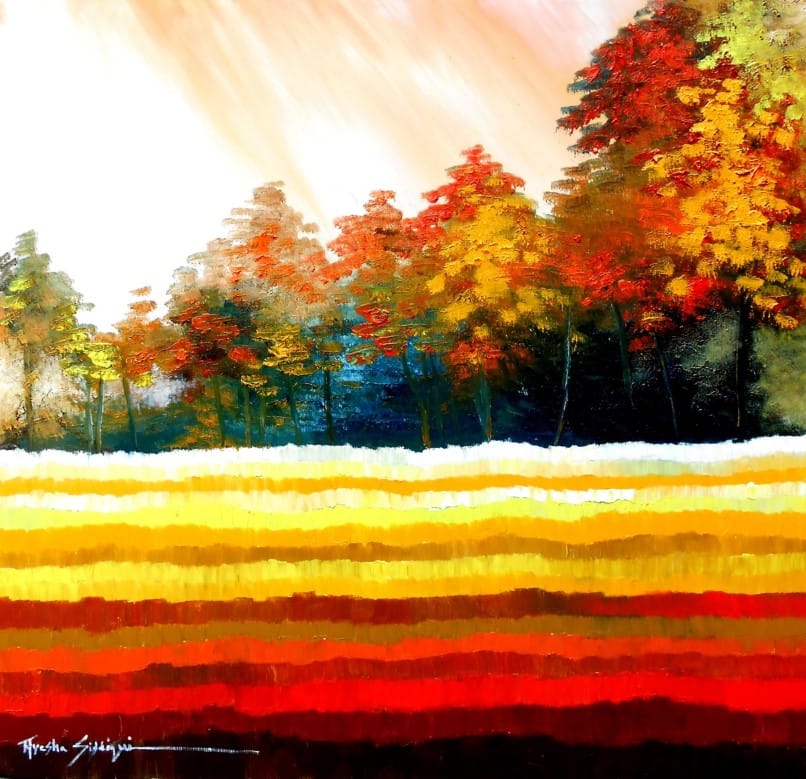
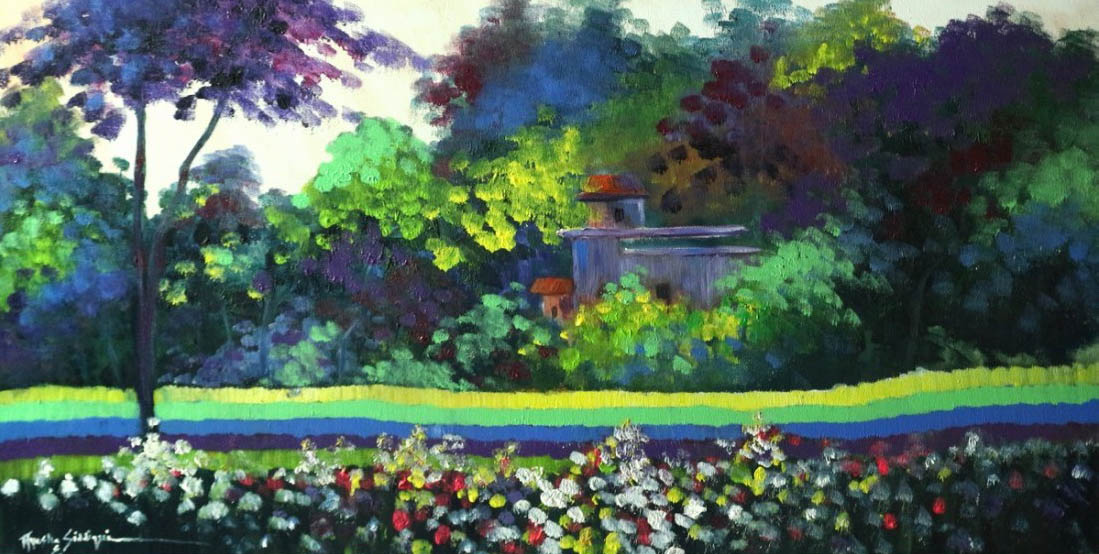
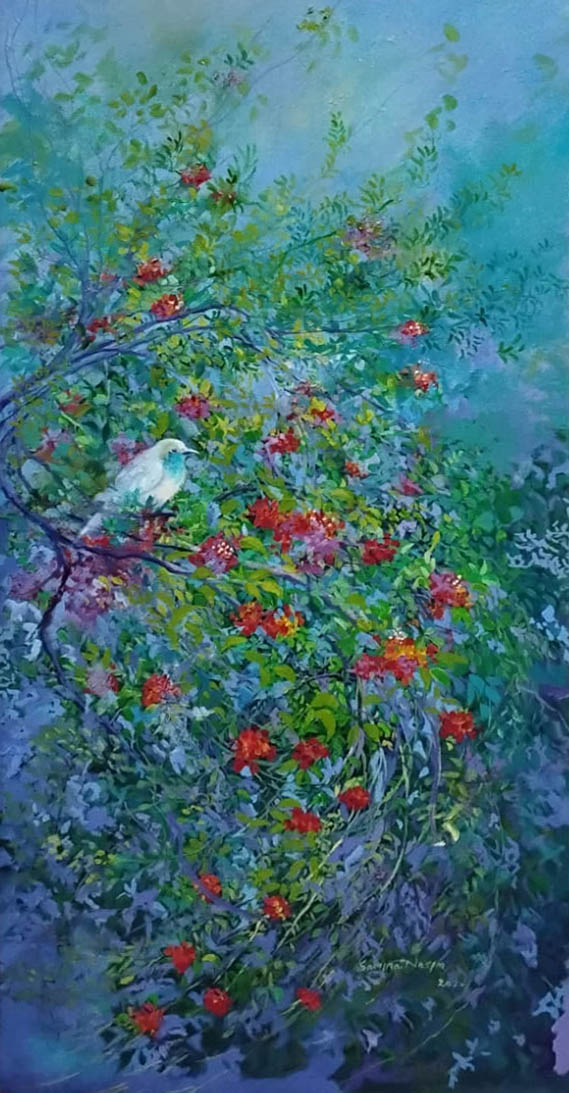
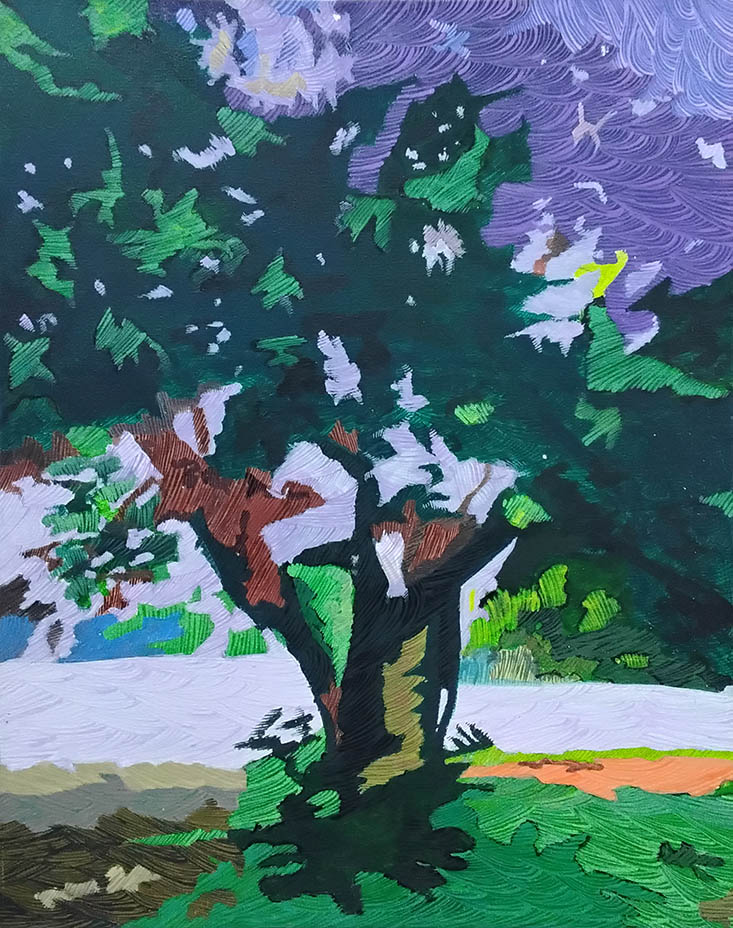
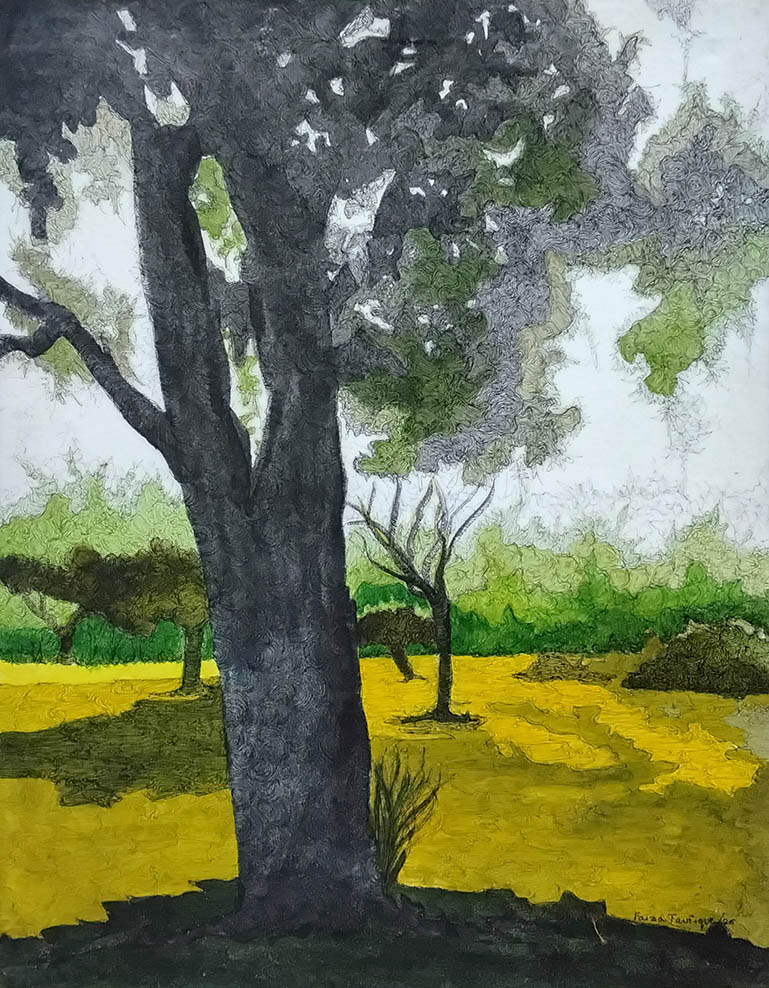
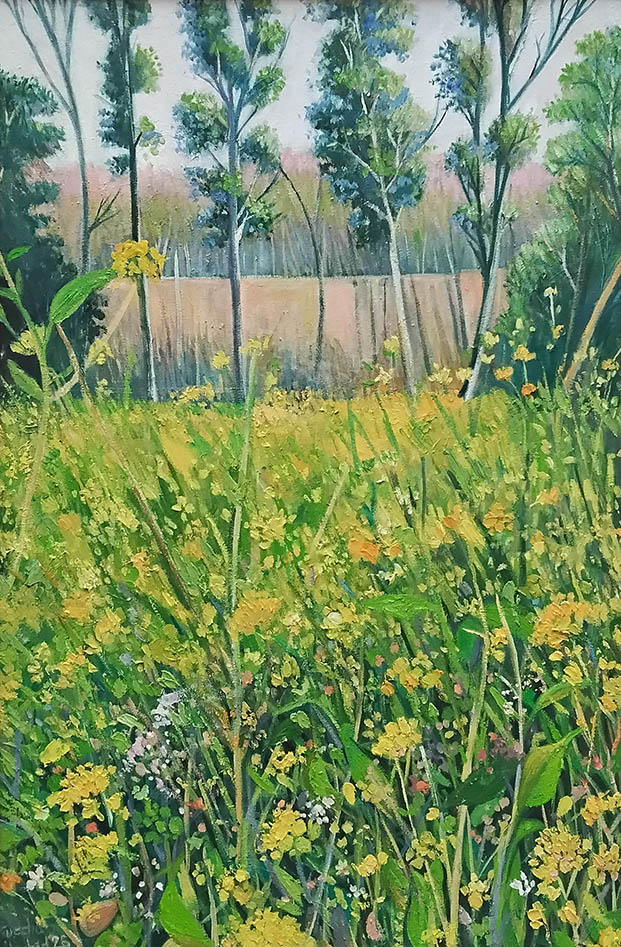
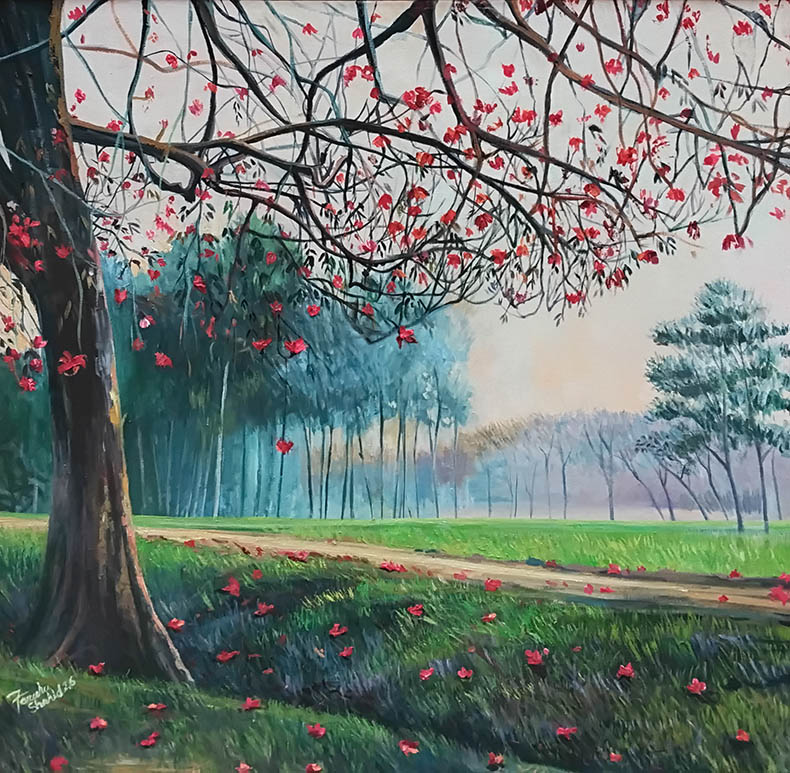
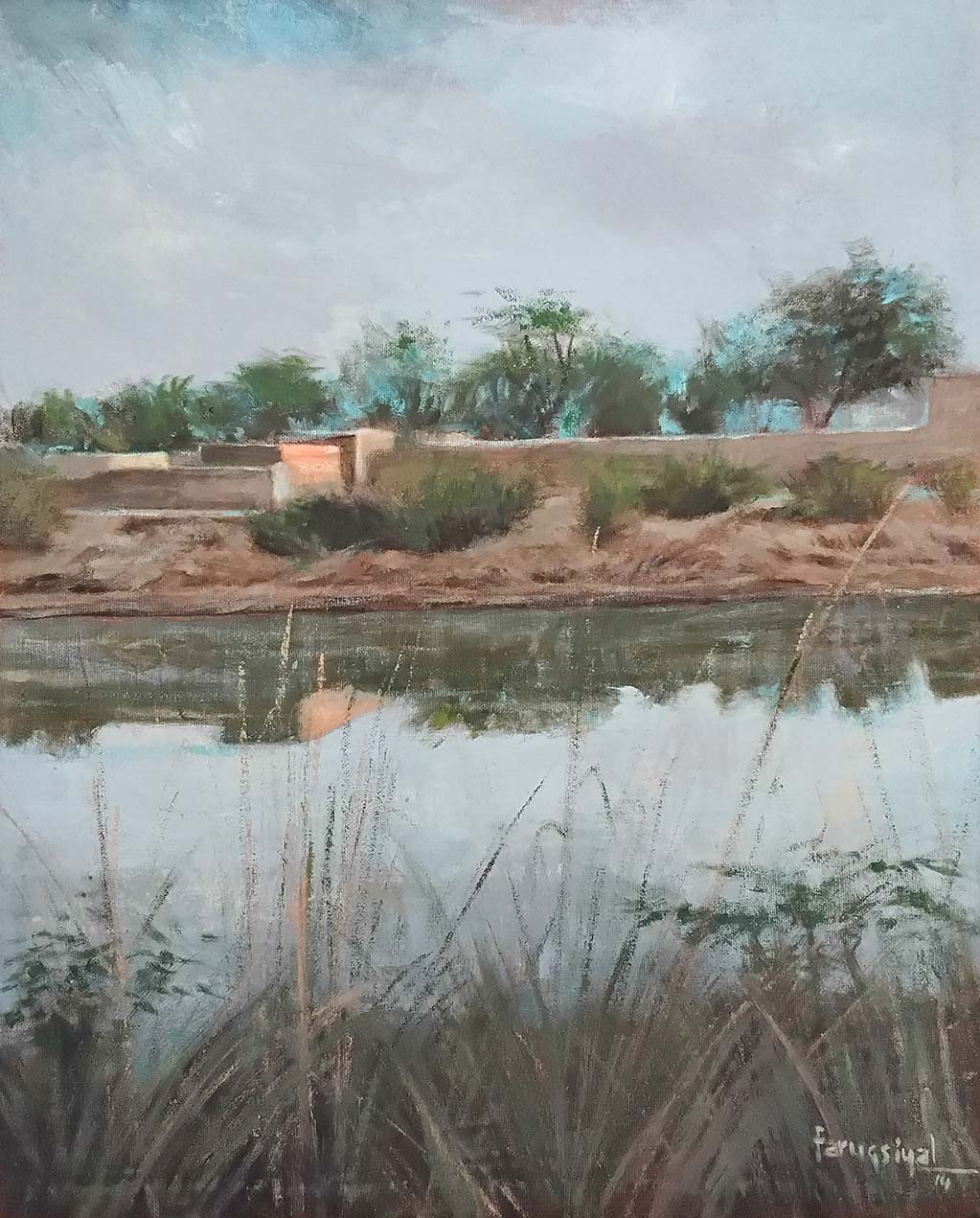
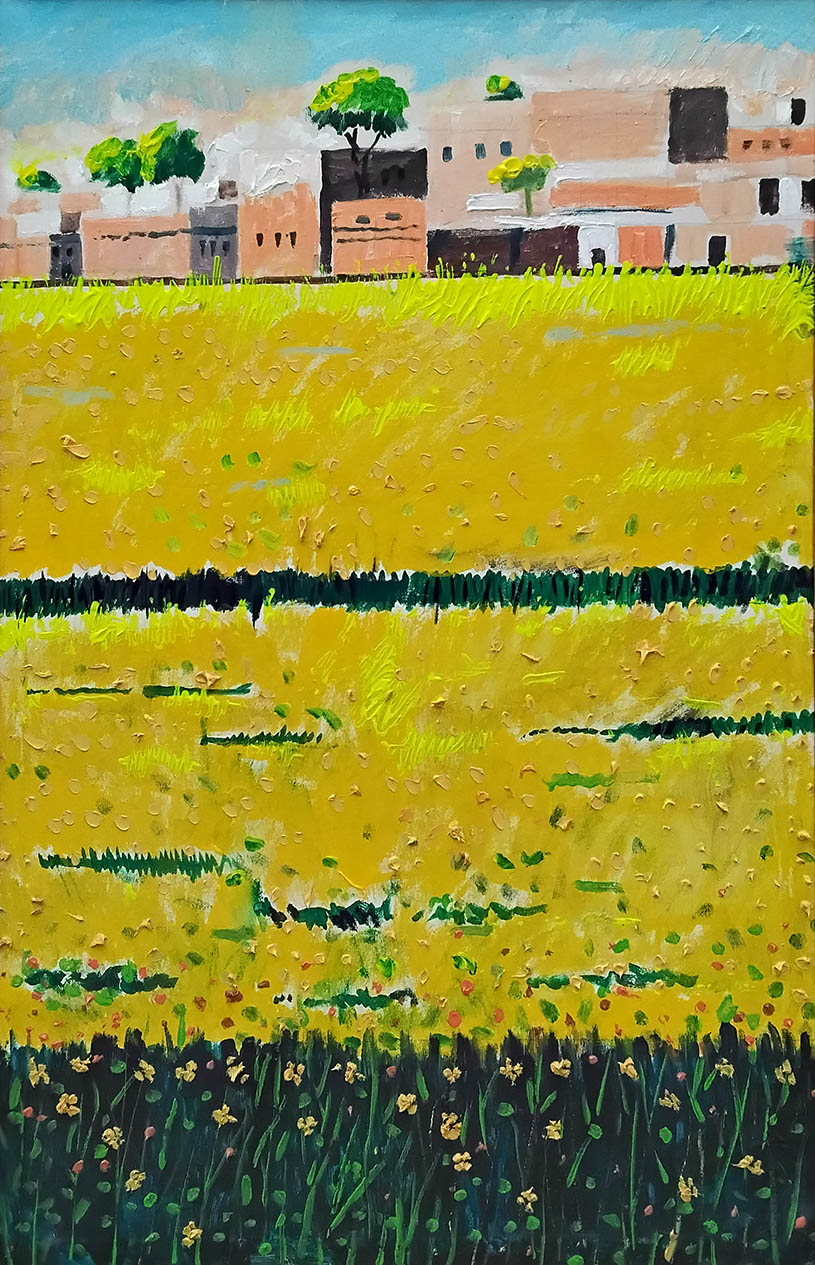
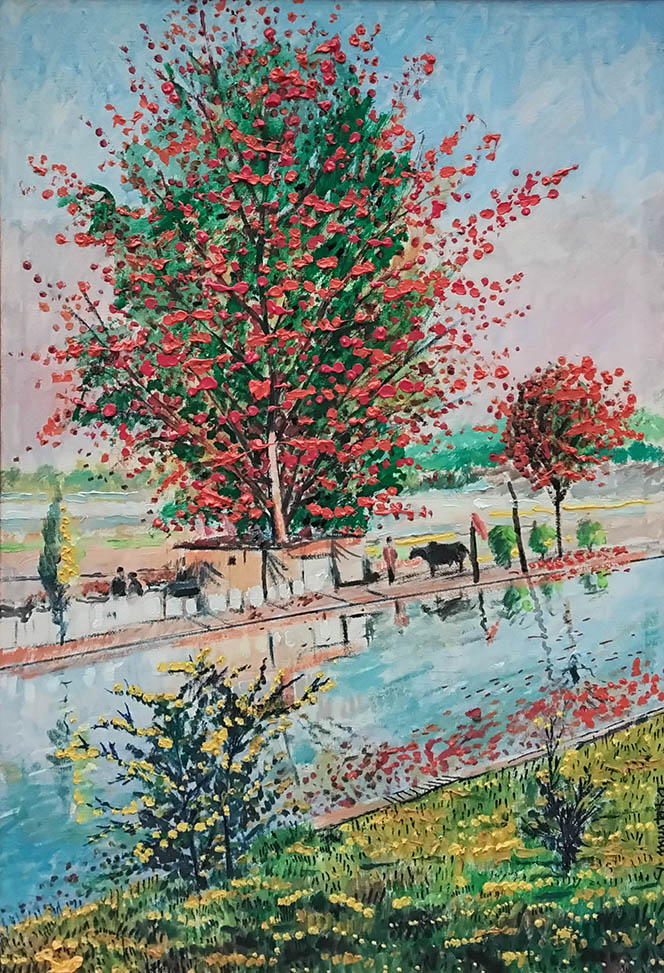
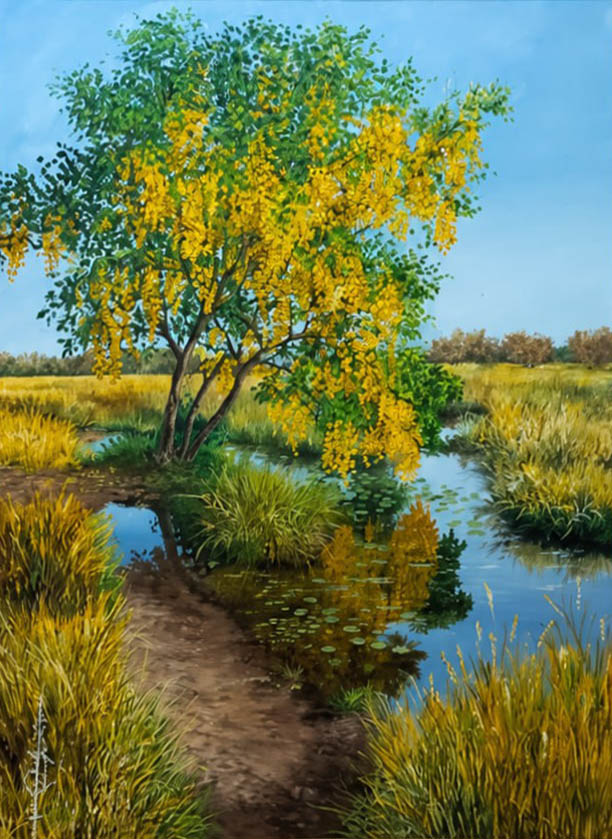
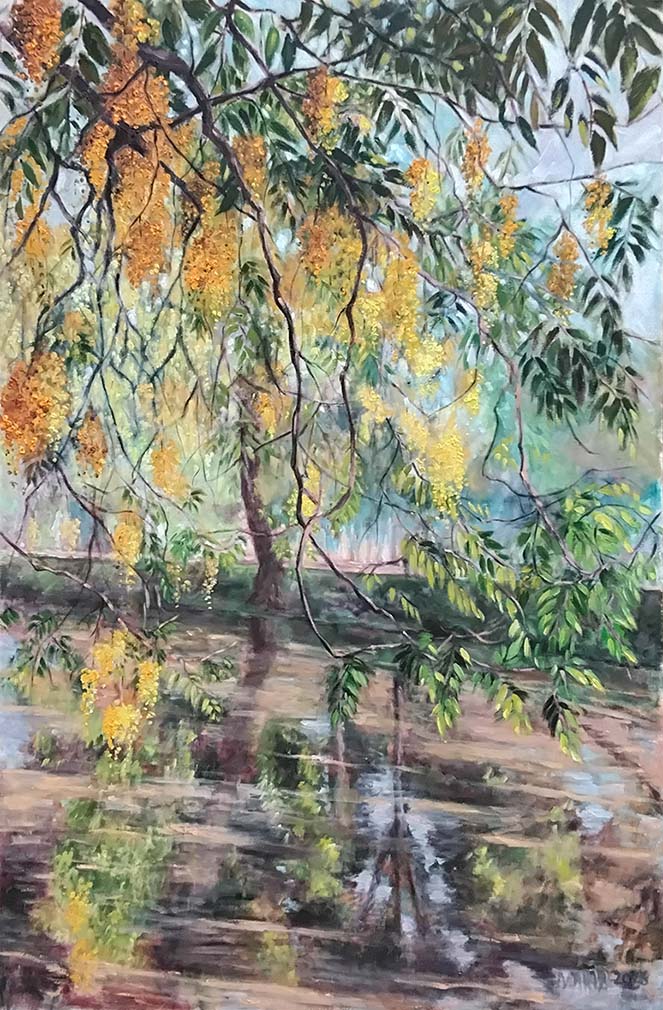
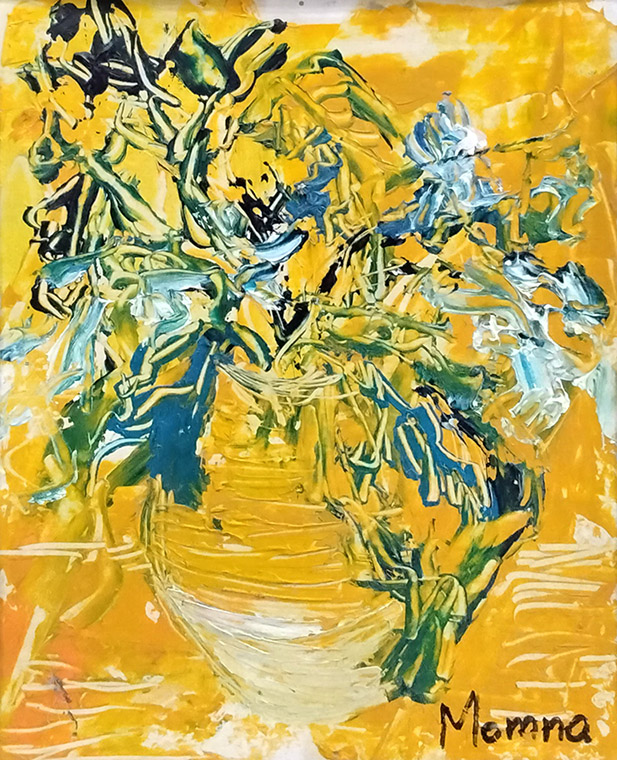
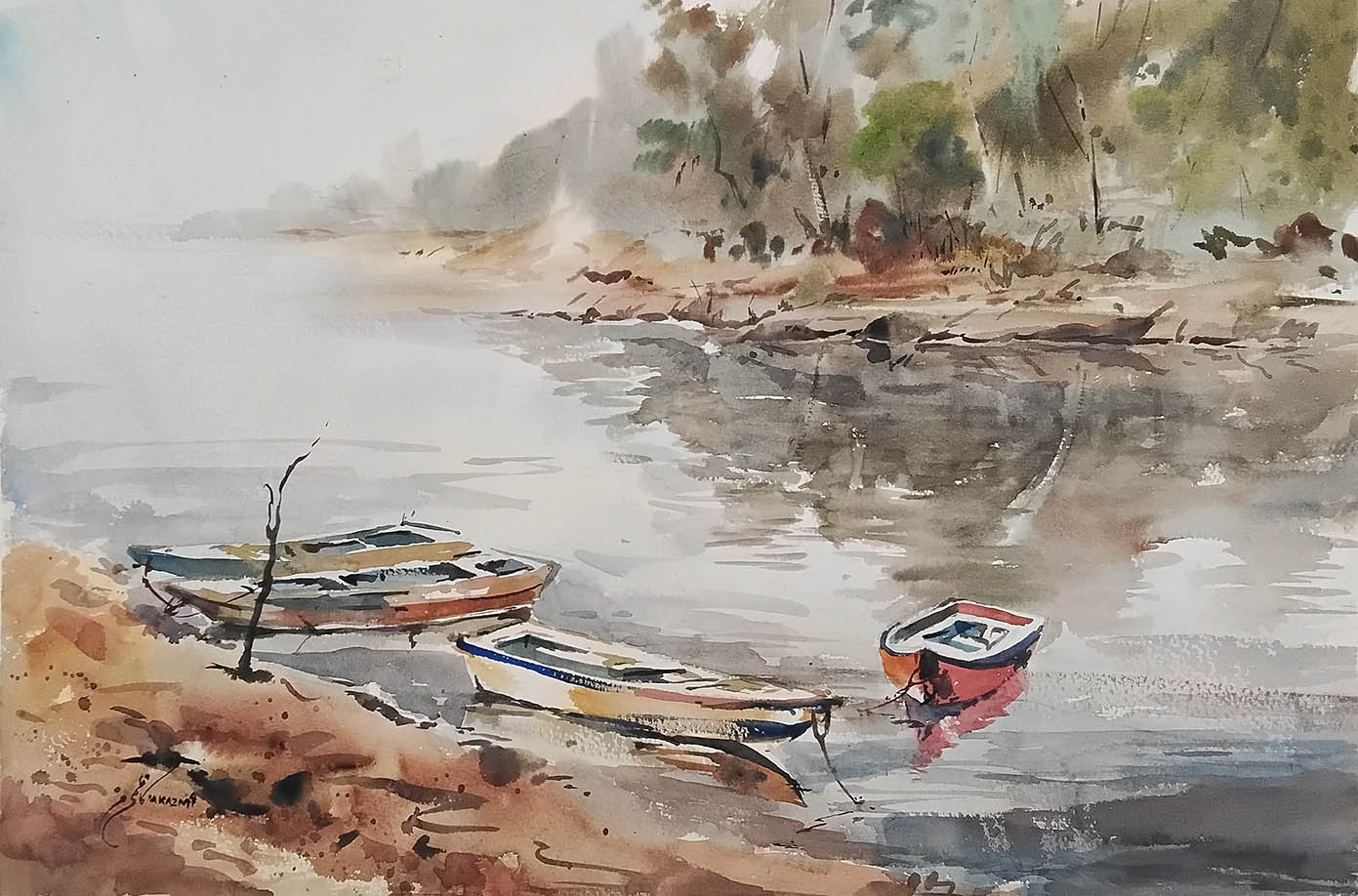
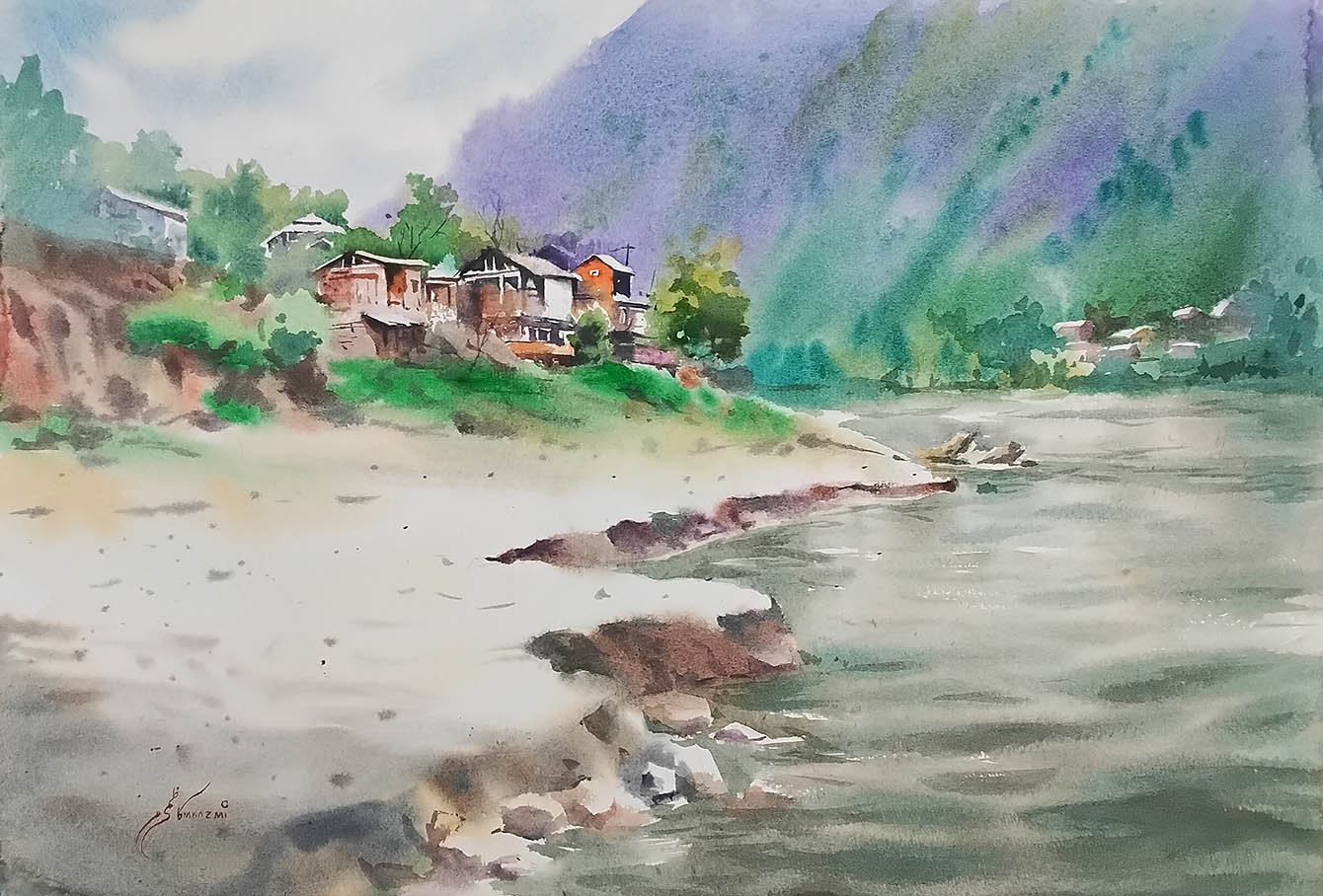
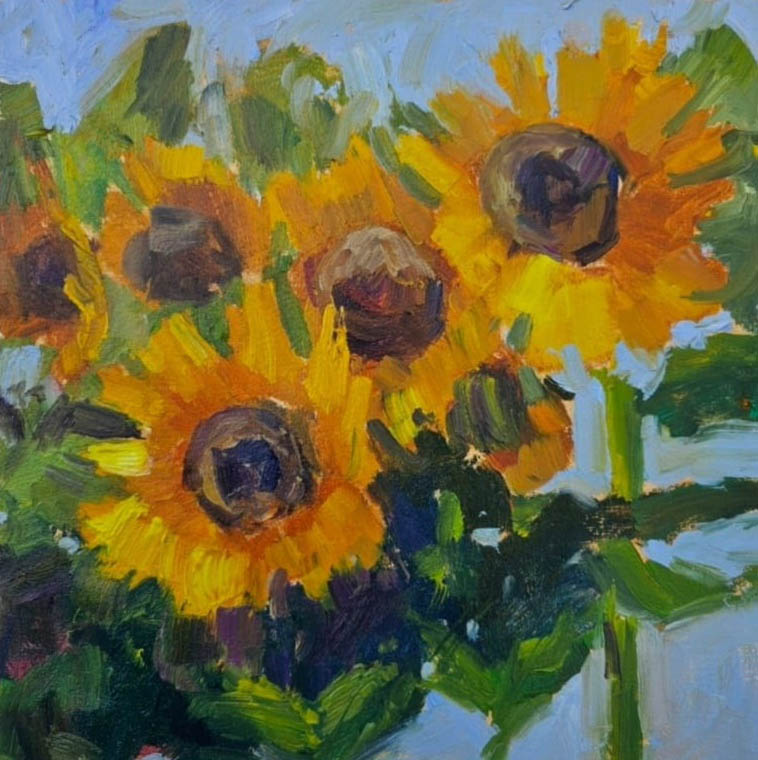
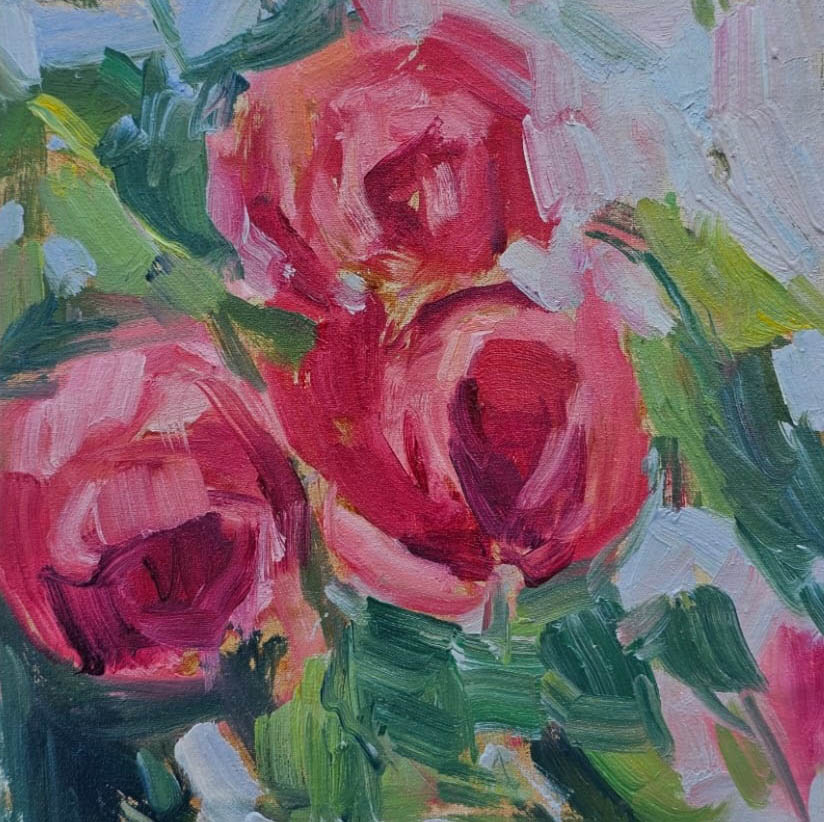
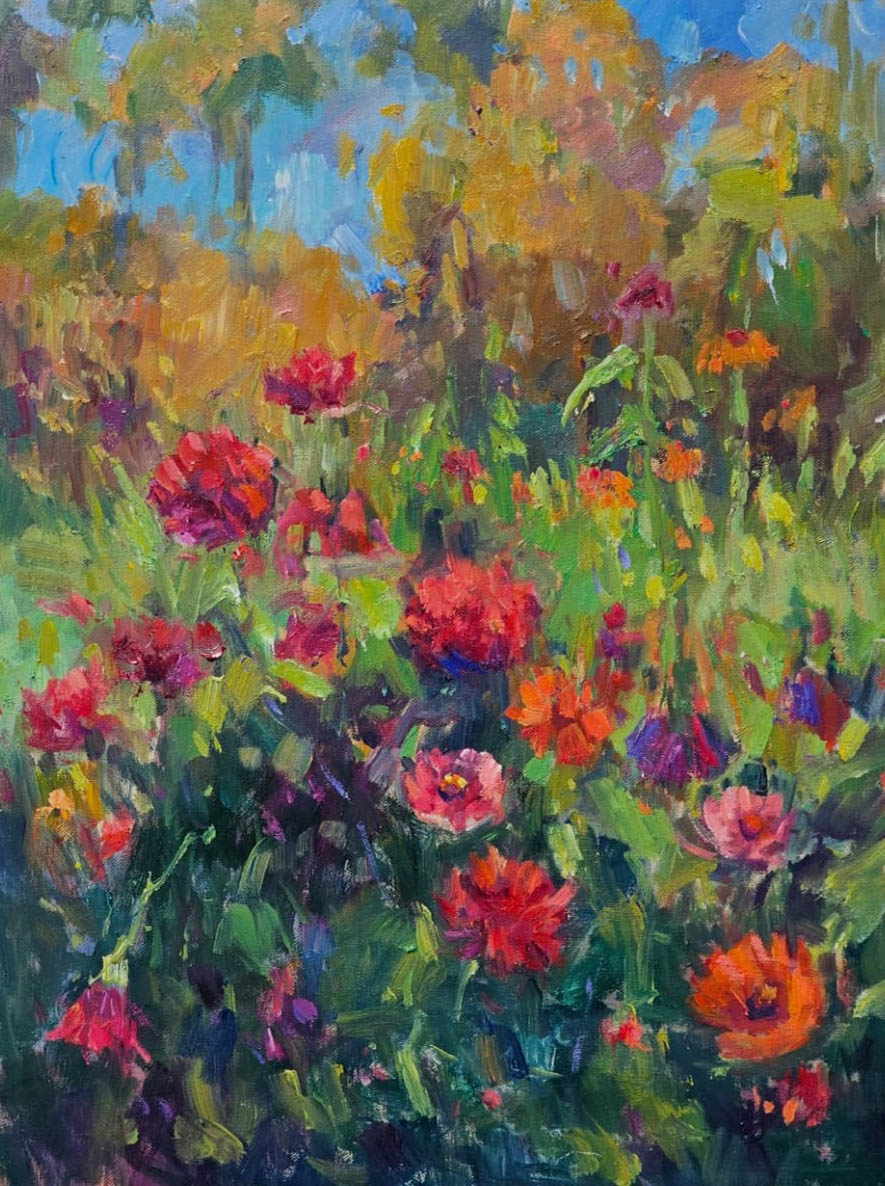
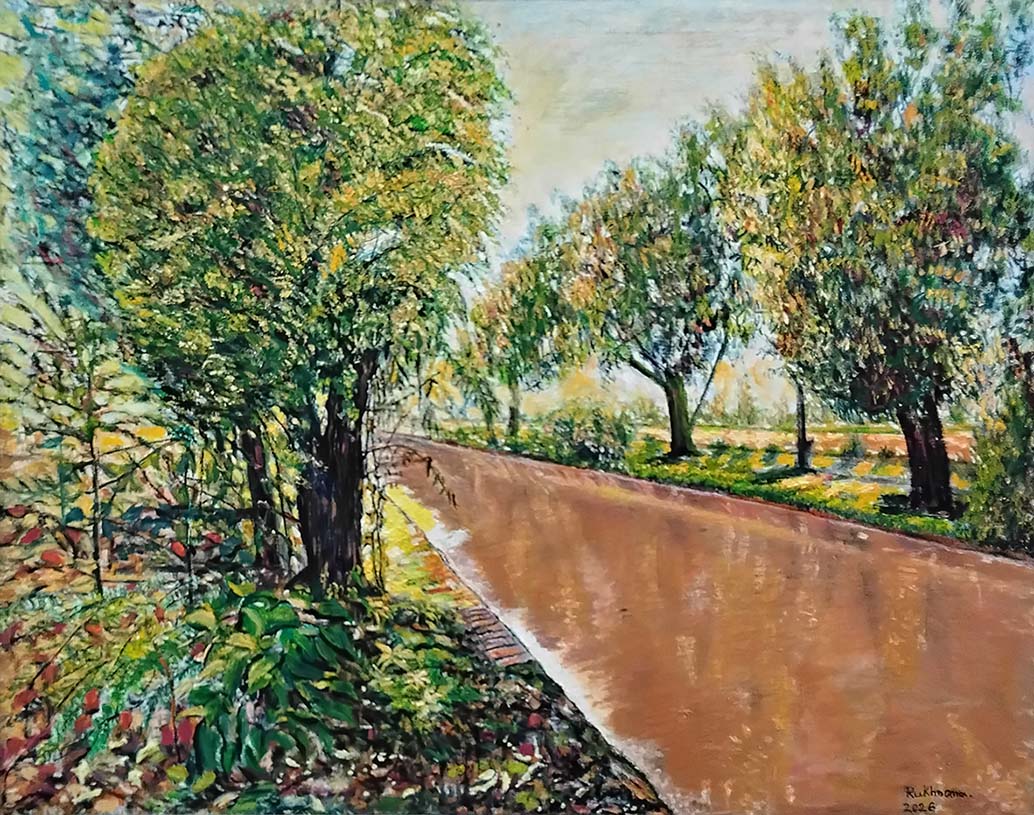
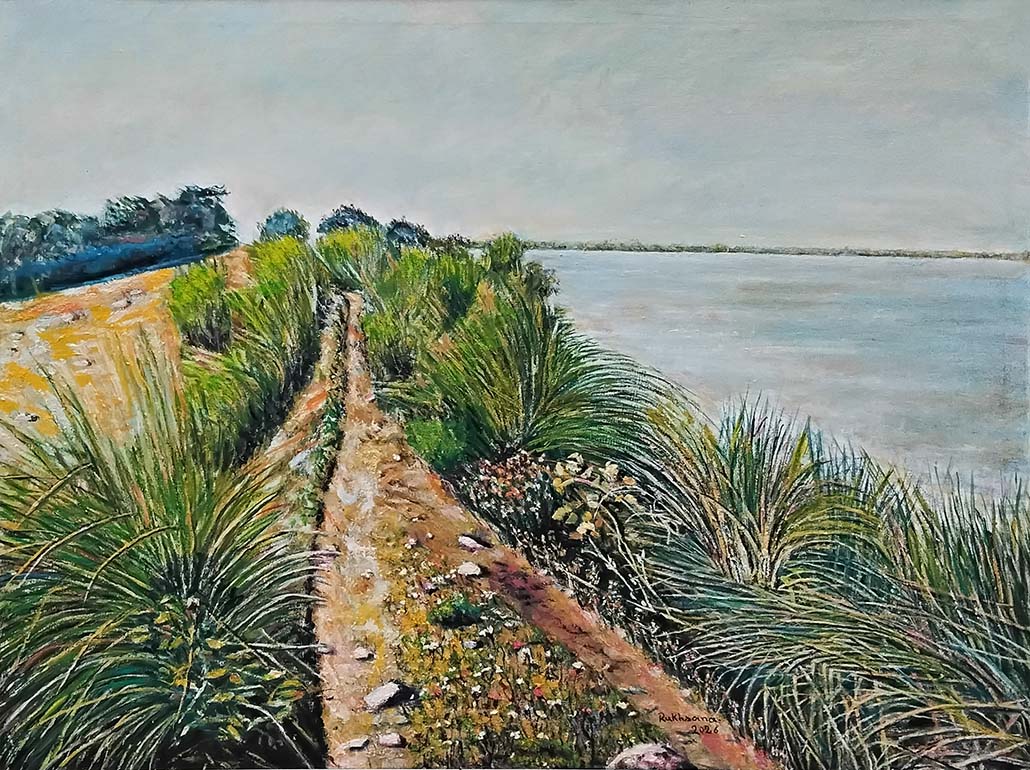
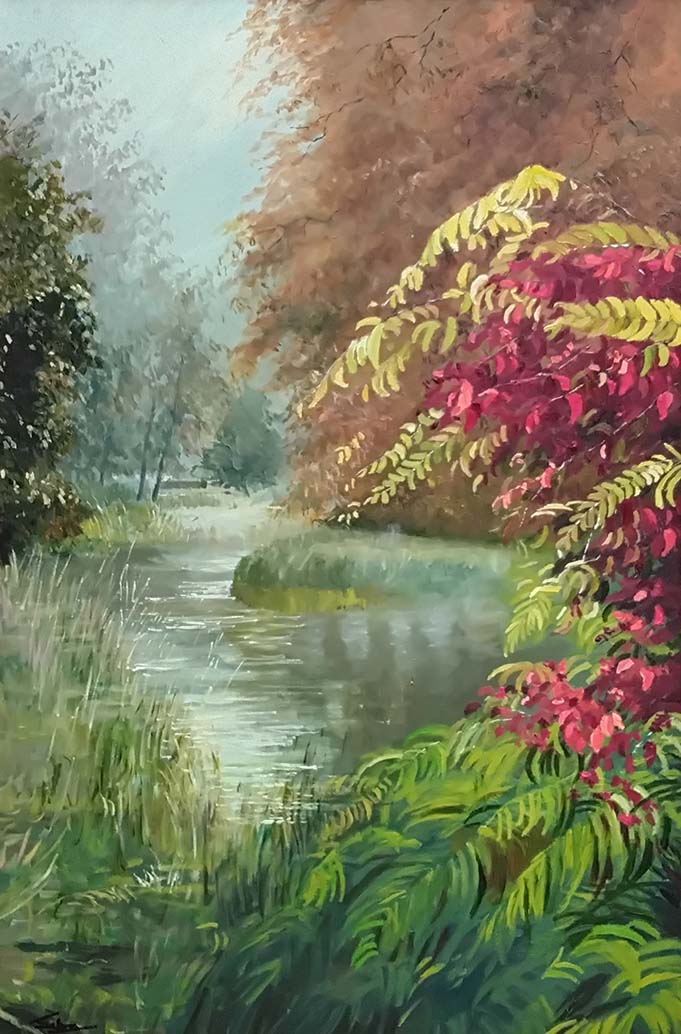
In recent years, landscape artists have increasingly explored gardens, parks, and natural settings across Lahore and the surrounding countryside. Places such as Jilani Park, Model Town Park, and Bagh-e-Jinnah have become inspiring subjects for contemporary landscape compositions. Artists turn their attention to marigolds, roses, mustard flowers, amaltas trees, water lilies, garden pathways, ponds, and the rivers and waterways that enrich the rural landscapes of Punjab.
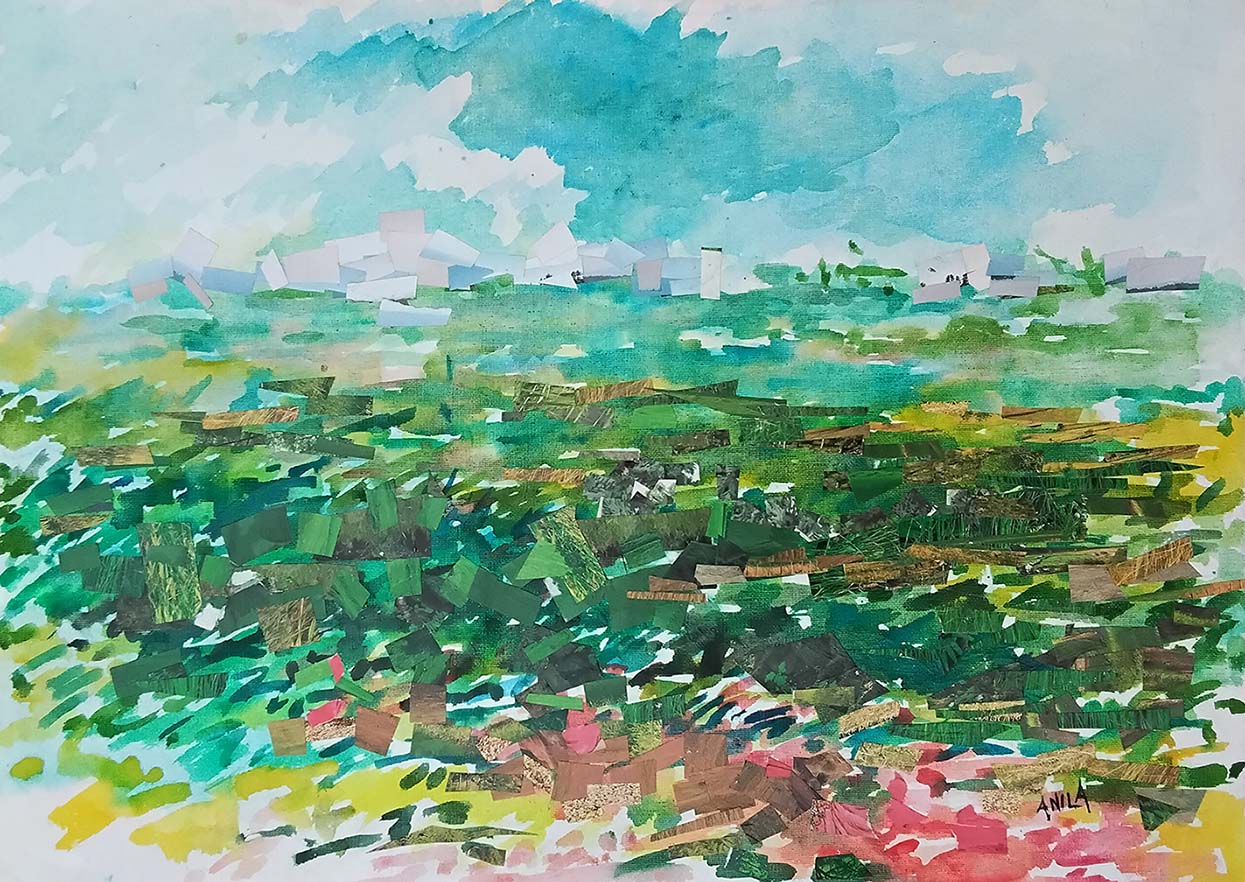
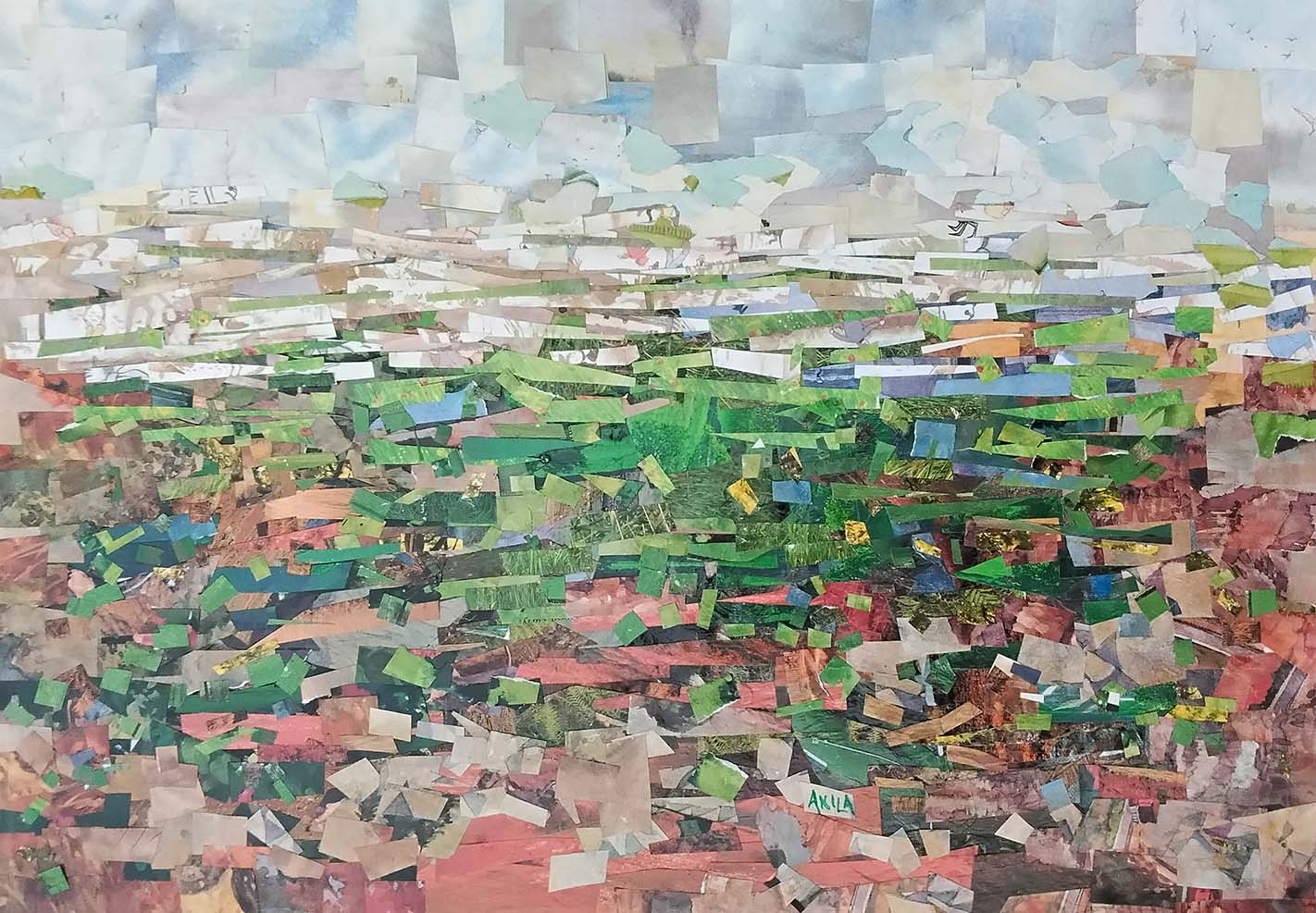
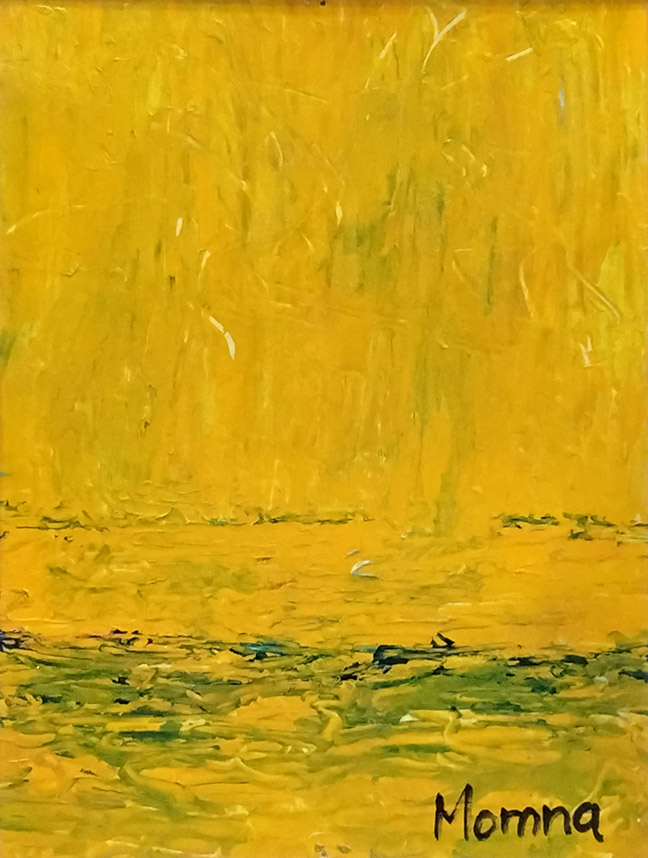
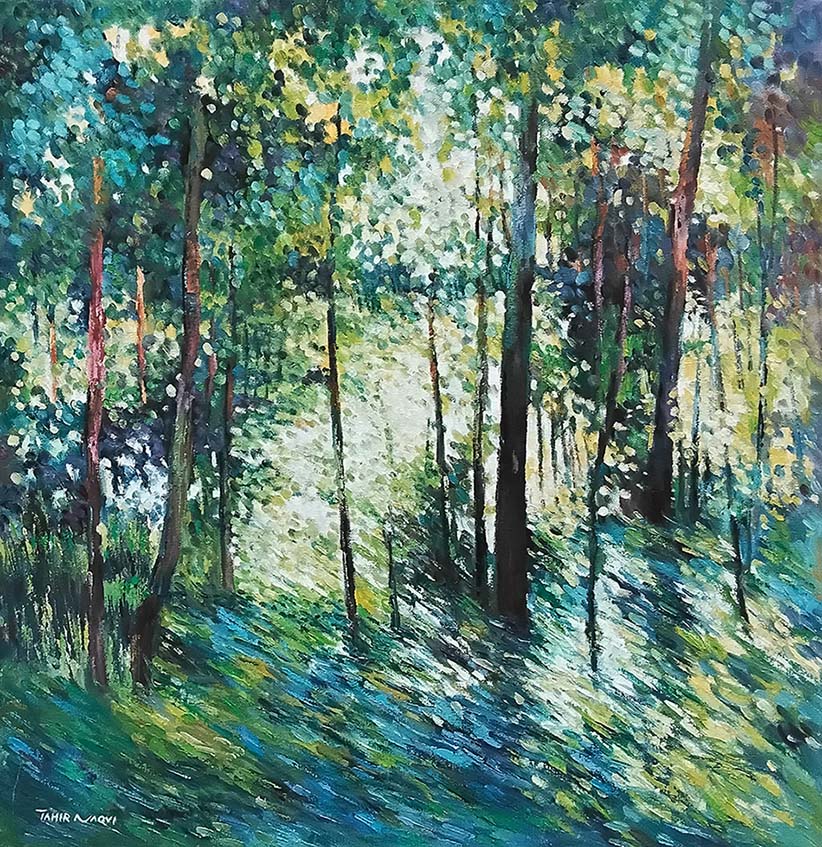
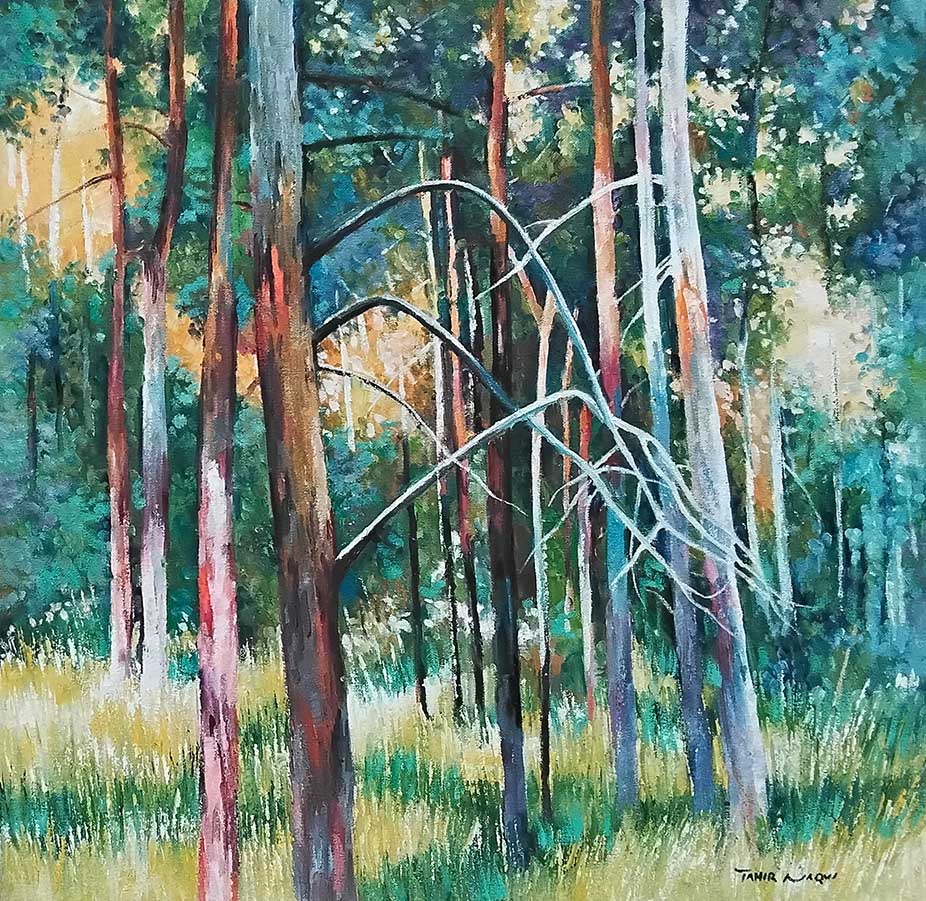
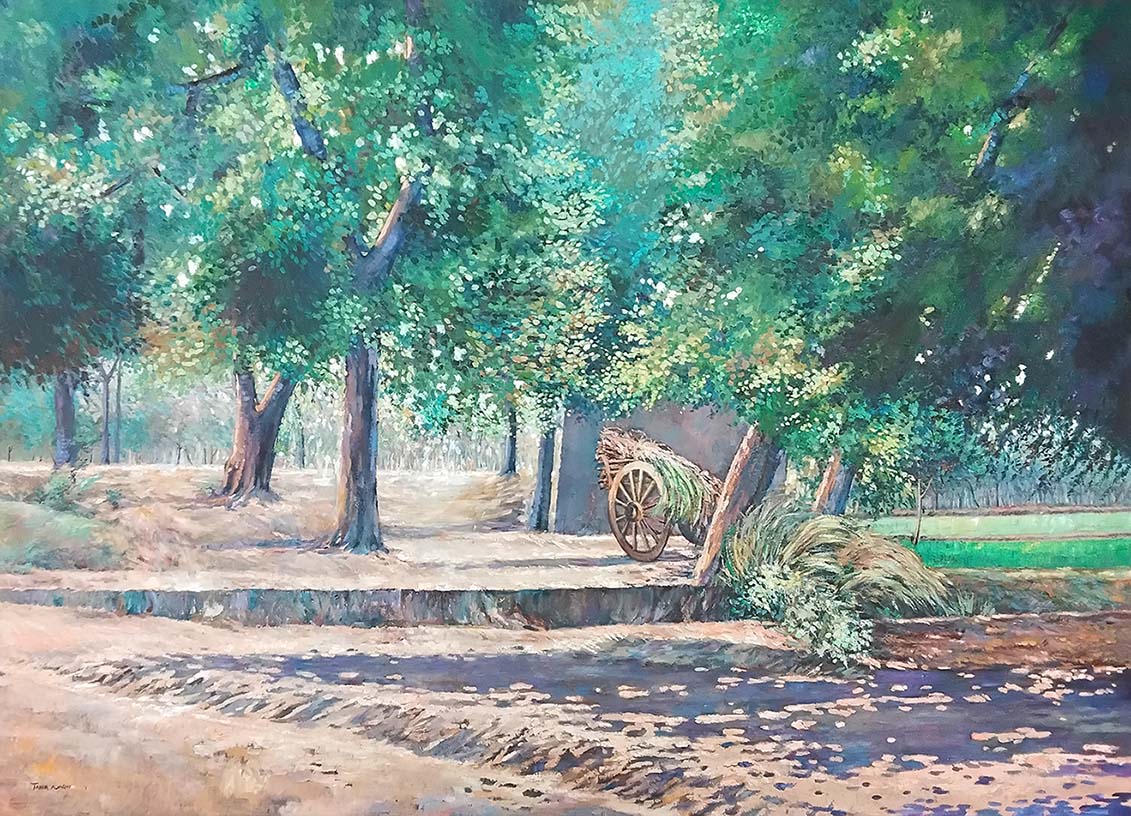
Through their individual artistic visions and diverse palettes, painters capture the luminosity of spring, the delicate play of sunlight, and the extraordinary harmony of colours found in nature. Every flower, tree, garden, and landscape becomes an opportunity to interpret the beauty of the world through paint and imagination.
Gul-o-Gulzar celebrates this blossoming relationship between nature and art. Bringing together diverse interpretations of Pakistani landscapes, the exhibition pays tribute to the beauty of spring, the richness of our natural surroundings, and the continuing legacy of landscape painting in Pakistan. It invites viewers to experience nature through the eyes of artists, where colours become emotions, flowers become poetry, and landscapes become timeless expressions of beauty.